Let's be real about how bodies change
Pleasure doesn't expire at 40. It evolves. And if you've noticed that lemon vibrators, clitoral suckers, or anything else feels wildly different than it did at 25, you're not losing it. Your nervous system is actually shifting in ways that matter.
Here's the thing nobody explains clearly: the sensation changes aren't a problem to fix. They're information. And once you understand what's happening, you can choose tools and techniques that work with your body right now, not against it.
What actually changes after 40
Three major shifts happen in the body that affect how pleasure feels.
First, skin thins. Collagen production drops starting around your mid-30s, which means the tissue in your vulva becomes more delicate. This isn't atrophy. It's just different. A tool that felt perfect at 30 might feel too intense at 45, or sometimes paradoxically, like it's not quite hitting the mark.
Second, blood flow patterns shift. Arousal takes longer to build because the vascular response isn't quite as immediate. You're not less capable of pleasure. You just need a bit more warm-up time. This is why jumping straight to a full-power lemon vibrator without foreplay feels different now.
Third, hormonal fluctuations around perimenopause and menopause change both lubrication and nerve sensitivity. Natural lubrication decreases, yes. But nerve endings also become more or less responsive depending on where you are in your cycle or post-menopause. Some women report heightened sensitivity in their 40s and 50s. Others report the opposite. Both are normal.
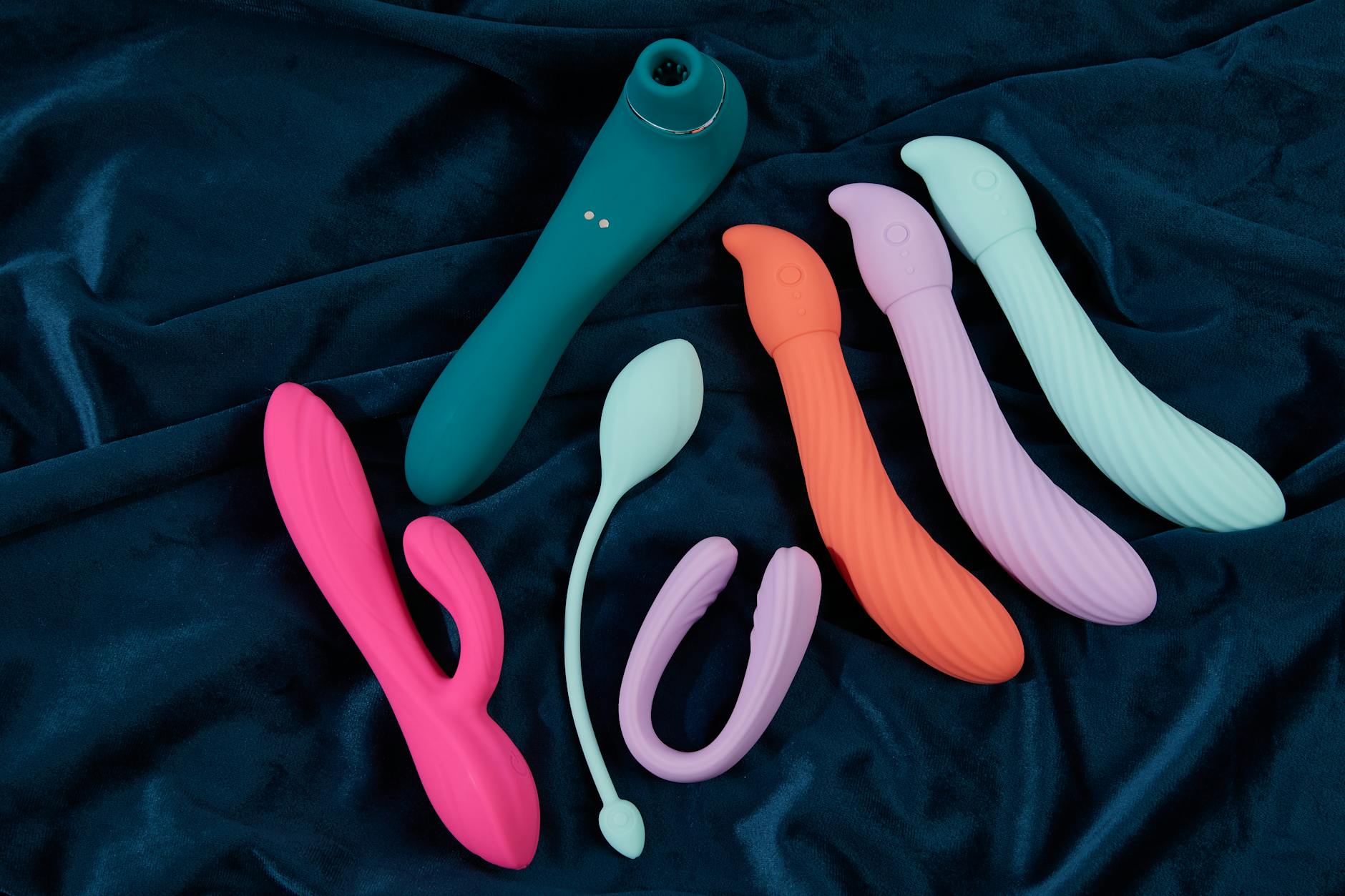
Photo by IFONNX Toys on Pexels
Why lemon vibrators feel different specifically
Lemon clitoral vibrators work through suction and gentle pulsation rather than pure vibration. This design matters more after 40 than it does at 25.
At 25, your tissue is resilient. A lemon vibrator's gentler suction pattern might feel less intense than you want. You might crave something stronger.
At 40 and beyond, that same suction pattern often feels more precise and comfortable. The tissue is more delicate, so the broad, diffused stimulation of suction actually becomes more pleasurable than the focused buzzing of a traditional vibrator. It's not that you've lost sensitivity. It's that your sensitivity has become more nuanced.
The lemon sucker design also means you're not fighting friction against thinner tissue. You're creating a seal that lets pressure and pulsation do the work. For people dealing with hormonal changes, this is often the difference between "this hurts a little" and "oh, that's exactly right."
Lubrication is not weakness
Let's clear this up: if you're using lubricant more now, that's not a sign of dysfunction. It's a sign of good sense.
Natural lubrication changes after 40. Sometimes it decreases. Sometimes it stays roughly the same but the consistency shifts. Neither is wrong. But when you're using a lemon vibrator or any clitoral toy, having proper lubrication changes everything about comfort and sensation.
Here's what I recommend. Use water-based lubricant as your baseline. It won't damage silicone toys, it feels natural, and it's easy to reapply. If you like the glide of silicone-based lube, keep a silicone toy separate for that purpose. And if you're in perimenopause or early menopause and natural lubrication is genuinely lower, don't skip the lube. Your pleasure matters more than some idea of how sex "should" feel.
Water-based lube also lets you feel the texture of lemon vibrators more clearly. That suction seal works better with a thin layer of lubrication. It's not cheating. It's tuning the tool to your body.
Sensitivity settings matter more now
When you first tried lemon sexual toys or any clitoral vibrator, maybe you went straight for high power. A lot of people do. The novelty is exciting, the sensation feels strong, it works.
After 40, many bodies find that lower settings actually deliver more intense sensation. This isn't intuitive until you experience it. Here's why it happens.
With thinner tissue and more delicate nerve endings, a lower-intensity pattern often feels sharper and more focused than a high-power buzz. Your nervous system processes the pattern more clearly instead of being overwhelmed by raw power. For a lemon vibrator specifically, this means starting at pattern 1 or 2 instead of jumping to the middle of the range.
If you've always loved high-intensity vibration, you might find that medium settings on a lemon vibrator feel stronger than high settings on a traditional vibrator. Pattern variation matters more than raw wattage now.
Don't assume this means you're less interested in pleasure. It means you're tuning in to what actually works rather than what feels like it should work. That's the opposite of a loss.
Time and warm-up are your new best friends
Sex over 40 often requires more warm-up time. This isn't a bug in the system. It's how adult bodies work.
With slower blood flow to the area and longer arousal buildup, jumping straight into a lemon vibrator without adequate foreplay often feels like it's not quite landing right. Your body hasn't caught up yet.
Instead, build anticipation. Spend 15 to 25 minutes on foreplay before introducing a vibrator. This might mean partnered touch, self-massage, mental imagery, or just presence. The point is to let arousal build gradually instead of expecting instant response.
When you do introduce a lemon clitoral vibrator after this warm-up period, the sensation hits differently. More centered, more intense, more satisfying. This isn't because the toy changed. It's because your body is actually ready.
Partner dynamics shift too
If you're in a long-term relationship, the experience of pleasure over 40 often involves your partner learning your body again. This is actually useful.
They might need to adjust touch because tissue sensitivity is different. Pressure that felt good might now feel too firm. That's not rejection. It's evolution. And honestly, it gives you both permission to communicate more clearly about what works.
If you're introducing a lemon vibrator or any new adult toy at this stage, frame it as exploration together, not a sign that something is missing. Plenty of couples use clitoral vibrators as part of partnered sex after 40 and find it deepens intimacy because it requires attention and conversation.
When to worry and when not to
Some shifts after 40 are normal. Some warrant a check-in with a healthcare provider.
Normal: slower arousal, need for more lubrication, preference for different intensity levels, longer time to orgasm.
Worth discussing with a doctor: pain during sex, complete loss of arousal for months, severe dryness that doesn't improve with lube, or sudden changes in what feels good.
The second list isn't a reason to feel broken. It's a reason to get answers. Hormonal shifts, medications, relationship stress, and other factors can all be addressed. A healthcare provider familiar with sexual health can help you figure out what's happening.
FAQ
Why does my lemon vibrator feel less intense now than it used to?
Your tissue sensitivity is changing, and arousal patterns are slower after 40. This doesn't mean the vibrator is weaker. It often means you need more warm-up time, possibly more lubrication, and patience for arousal to build. Starting with lower intensity settings and working up usually feels better than expecting the same response you had at 25.
Is it normal to need lubricant more now?
Completely. Natural lubrication patterns change with hormones, especially around perimenopause and menopause. Using water-based lube isn't a sign of dysfunction. It's a practical choice that improves comfort and sensation. Many people find lube actually enhances their experience with a lemon clitoral vibrator.
Should I switch to a different type of vibrator after 40?
Not necessarily. Some people find that lemon vibrators and clitoral suckers work better after 40 because the gentler suction pattern suits thinning tissue better than traditional vibration. Try adjusting your warm-up time, lubrication, and intensity settings first. If something still feels off after experimenting, that's when exploring different toy styles makes sense. You can also check our guide on finding your ideal sensitivity setting on lemon vibrators for more detailed tuning advice.
Does sensation actually improve after 40, or is that just something people say?
It depends on the person. Some report their most intense orgasms after 40 because they've shed anxiety, know their body better, and have fewer distractions. Others find sensation feels different but not necessarily better or worse. There's no universal timeline for pleasure. Your experience is valid.
If my partner and I use a lemon vibrator together, does that mean something is wrong with our sex life?
No. Using a clitoral vibrator together is just a tool. Some couples use them from the beginning. Others add them later. It doesn't indicate a problem. It often indicates curiosity and willingness to keep exploring each other, which is healthy at any stage.
What if I'm post-menopausal and my sensitivity is almost gone?
Worth a conversation with a healthcare provider. Sometimes topical hormone therapy or other treatments help. Sometimes it's about finding new ways to experience pleasure that don't rely on the same sensations as before. And sometimes exploring different toys, like a high-quality lemon vibrator with varied patterns, reveals sensation you thought was gone. You're not broken. You just might need different tools or approaches.
The bottom line
Your body after 40 isn't a downgrade. It's a different version that needs different attention. Lemon vibrators, clitoral suckers, and other intimate tools can feel completely different now, and that's actually useful information. Instead of fighting your body's new patterns, work with them. More warm-up time. More lubrication. Lower starting intensities. Patience with arousal. These aren't compromises. They're tuning in.
Pleasure over 40 is often richer than it was before because you know yourself better and you're willing to be honest about what works. That's not a loss. That's wisdom.
If you want deeper guidance on matching toys to your body's needs, explore our guide to choosing lemon vibrators. And if questions come up that feel bigger than this article, reach out. We're here to help.