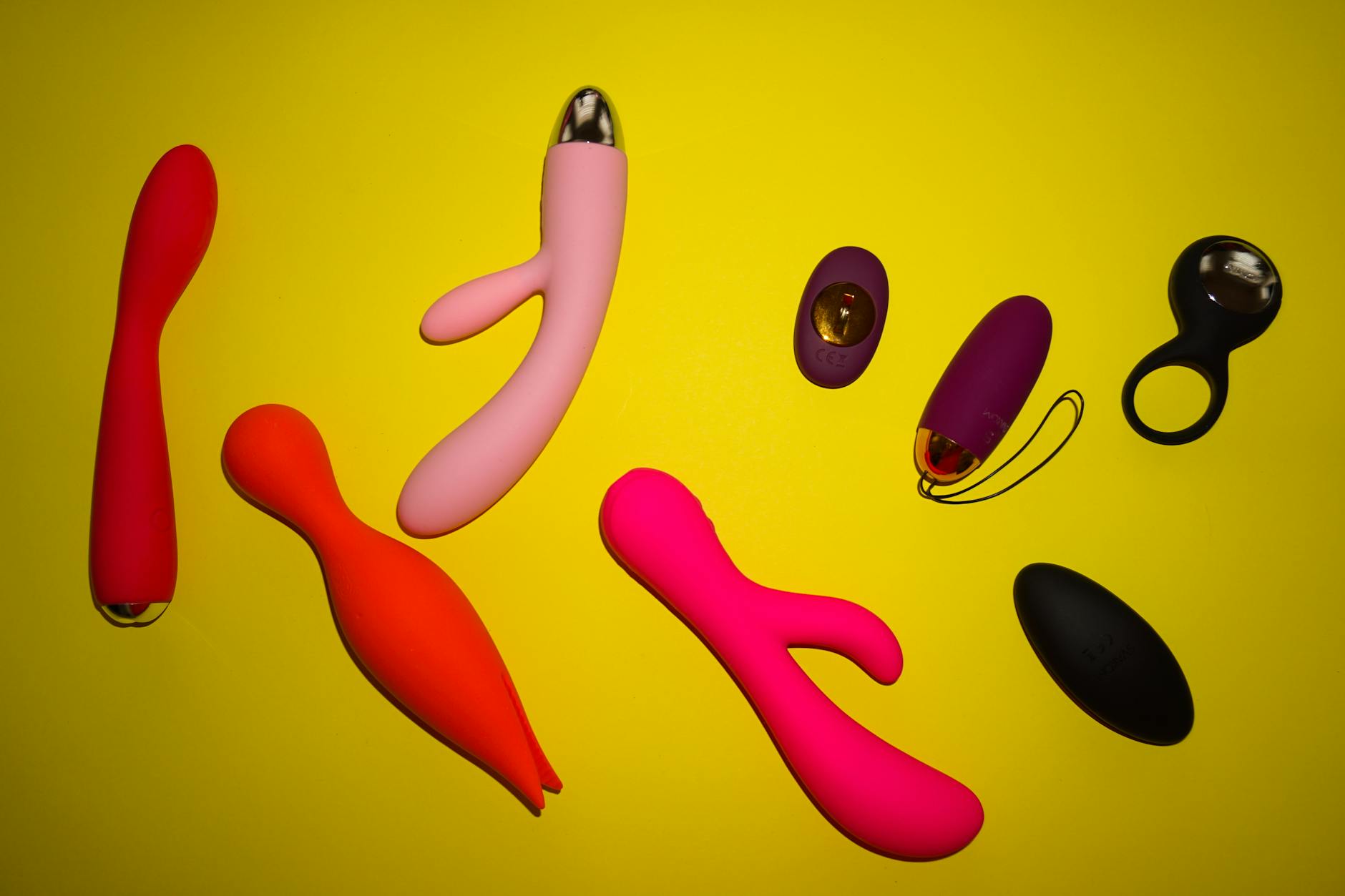
The numbness creep is real
You bought a lemon vibrator. The first time was incredible. Now, three weeks in, you're cranking it to the highest setting and barely feeling anything. That's not a sign you're broken. It's a sign your nervous system adapted. It happens to almost everyone, and there's actual neuroscience behind why.
The good news: it's reversible. The better news: once you understand the mechanism, you can prevent it from happening again.
How your nerves actually get desensitized
Your clitoris is packed with nerve endings. When stimulation happens repeatedly at the same intensity and rhythm, those nerves stop firing as enthusiastically. It's called accommodation, and it's a protective mechanism your body uses to prevent sensory overload.
Think of it like this: your brain stops paying attention to the smoke alarm once it's been beeping for five minutes. The signal doesn't change, but your perception does. Same thing happens with vibration. Your nerves are literally registering less sensation, not because they're damaged, but because they've adapted to the input.
The suction mechanism on a lemon clitoral vibrator is particularly prone to this because it's a sustained, consistent stimulus. Unlike a wand vibrator that moves around, a suction-based device like the Lem locks in place and keeps the same pressure. That consistency, while wonderful for building arousal, makes accommodation happen faster.
The difference between normal adaptation and actual numbness
Here's what matters: Are you losing sensation everywhere, or just to that one device at that one intensity level?
If your partner's touch still feels good, or a different toy produces sensation, or the Lem feels great at a lower setting, you're experiencing normal accommodation. That's not damage. That's adaptation.
If absolutely nothing feels good anywhere, and it's been weeks, that's worth mentioning to a doctor. True nerve damage from vibrator use alone is extremely rare, but nerve conditions are real and worth ruling out.
For 95 percent of people reading this: you're in adaptation territory. And that's manageable.
The pause method (the fastest reset)
Take a break. I know that sounds counterintuitive when you want to feel something again, but a three to seven day pause gives your nervous system time to reset its baseline. Your clitoral nerves literally need a break from that specific stimulus to re-register it.
You don't have to give up pleasure during the pause. Use your hands. Use a partner's touch. Use a completely different toy. The point is not to use your lemon vibrator at that same intensity during those days.
After three to seven days, the sensation usually bounces back. You'll notice it immediately. That recovery is your clitoris re-learning to register the stimulus as novel and interesting again.
Lower intensity, longer build
When you resume, start lower. I mean meaningfully lower. If you've been using pattern 5 or 6 on your lemon sucker, drop to pattern 2.
This does two things. First, it prevents accommodation from accelerating again. Second, it forces you to actually feel the sensation instead of chasing escalating intensity. A lot of numbness is actually boredom dressed up as desensitization. You're grinding yourself on the highest setting and missing the nuance at medium.
Take 15-20 minutes to build up from pattern 1 or 2. Let your nerve endings wake up gradually. You'll notice details you missed before. The warmth. The precise angle that hits hardest. The moment your clitoris starts to swell in response.
Rotating your tools (the prevention strategy)
Variety is genuinely protective. If you use your lemon vibrator three times a week, use something else for the other days. A wand. Your hands. A partner. A different suction toy if you have one.
Different stimulation types (vibration versus suction, external versus internal, high frequency versus low frequency) activate your nerves differently. Your body doesn't adapt as quickly to varied input. It's the difference between listening to the same song on repeat for an hour and shuffling through a playlist. Same ears, completely different experience.
This doesn't mean you have to own five vibrators. It means intentionally mixing up your solo routine. One day the Lem. One day your hands. One day a partner if you have one. Your clitoris gets to stay engaged, and you avoid the accommodation trap.
The role of arousal level and attention
You're also more numb when you're distracted or rushing. Sensation requires cognitive bandwidth. If you're checking your phone, worrying about the laundry, or going through the motions because you think you should be coming, numbness will feel worse.
Sound shallow? It's not. Your brain literally modulates sensory perception based on attention. A five-minute rushed session with your lemon vibrator will feel way more numb than a 20-minute unhurried session where you're actually present. It's not the device. It's the condition you're using it in.
Turn the phone off. Make time when you're not mentally elsewhere. Arousal isn't automatic, and neither is sensation. Both improve dramatically when you actually show up for the experience.
When sensation loss is worth a doctor visit
Most numbness from vibrator use is normal adaptation. But if you're experiencing:
Anything painful alongside the numbness. Sharp sensations, tingling that doesn't fade, or discomfort that lasts hours after using a toy. Numbness spreading beyond your clitoris to your vulva or inner thighs. Sudden loss of sensation that happened outside the context of regular vibrator use. Numbness that doesn't improve after a one-week break and rotating to different toys.
Then check in with a gynecologist or sexual health specialist. Nerve conditions like neuropathy are rare, but they exist, and vibrator use doesn't cause them. But if something feels genuinely off, a professional should rule things out.
The paradox of sensation and lemon vibrators
Here's the thing about lemon sexual toys and clitoral vibrators in general: the ones that feel best are the ones that teach your body to feel less. A powerful suction device like the Lem can bring you to orgasm in minutes because it's so efficient. That efficiency comes with a cost. Your nervous system adapts faster to consistent, intense input.
That's not a reason to avoid them. It's a reason to use them intentionally. A lemon clitoral vibrator is an incredible tool. It just needs to be one tool in a rotation, not the only one.
Getting your sensitivity back for good
The reset is simple. Pause for three to seven days. Come back to your lemon vibrator at a lower intensity. Mix in other forms of stimulation throughout the week. Stay present and aroused when you're using it.
Your clitoris hasn't gone anywhere. Your nerves haven't died. They've just gotten used to the input. Shake up the pattern, and sensation comes roaring back. Most people report that they feel more acutely aware of their lemon vibrator after a reset than they did before.
Why? Because they're not chasing numbness anymore. They're actually feeling the thing they thought they'd lost. And that changes everything.
People also ask
Can using a lemon vibrator too much cause permanent numbness?
No. Vibrator use does not cause permanent nerve damage in healthy people. What you're experiencing is accommodation, which is completely reversible. Take a break, rotate your toys, and sensation returns within days. If numbness genuinely doesn't improve after a week of no vibrator use and normal sensation returns everywhere else, that would be unusual and worth mentioning to a doctor. But vibrator-related permanent numbness is not a real clinical outcome.
How long should I take a break from my lemon vibrator to reset sensitivity?
Three to seven days is the typical window for your nervous system to reset its baseline. Some people notice improvement in just three days. Others need closer to a week. You'll know it's working when you use the device again and feel a clear difference. If you're going longer than a week and not noticing change, the numbness probably isn't accommodation. It might be attention and arousal. Slow down, actually focus, and see if sensation returns.
Does using a lemon sucker on a lower setting actually help with desensitization?
Yes, absolutely. Lower intensity forces your nerves to register finer sensations instead of defaulting to maximum stimulus. You're also less likely to accommodate to a lower setting because there's room to build intensity gradually. It feels less spectacular in the moment, but it prevents the numbness trap that comes from always chasing the highest setting.
Why does my clitoris feel numb with my lemon vibrator but not with my partner's touch?
Different nerve activation. Vibration stimulates nerves through frequency and pressure. Manual touch is slower and engages different nerve types. Your nervous system isn't numb overall. It's accommodated specifically to that vibrator's pattern. Using different stimulation types between vibrator sessions keeps your nerves responsive to all forms of input. Rotate your tools, and you'll notice sensitivity returns across the board.
Can I fix clitoral numbness without taking a break from vibrators?
Partially. Rotating to lower intensity and different toy types helps. Being more present and aroused helps. But the fastest, most reliable fix is a genuine pause. Three to seven days away from the device, and your accommodation resets completely. After that, prevention is easier. Lower intensity, regular rotation, and staying present will keep sensitivity high without needing another break.
Is accommodation the same thing as desensitization from lemon vibrators?
They're related but slightly different. Accommodation is a neurological adaptation that happens to all sensory systems. Desensitization usually means the same thing in this context, but it can also imply damage, which accommodation is not. When people say they're "desensitized" to their lemon clitoral vibrator, they mean accommodation. It's your nerves adapting, not your body breaking. The fix is the same either way: pause, rotate, reset.