
Let's be honest about the mismatch
One of you wants sex more often than the other. That's not a failure on anyone's part. It's one of the most common relationship stressors I see in my practice, and it almost always arrives packaged with shame, rejection, or the person with higher desire feeling like they have to suppress themselves. A lemon vibrator doesn't solve mismatched libido, but it can completely reframe how you both think about pleasure—and sometimes that reframing is what actually heals the gap.
Here's what I've learned after years of working with couples: the real problem isn't usually the sex drive difference itself. It's the story you've both constructed around it. One partner feels pressured. The other feels guilty. Nobody's having fun, so nobody wants to try. A clitoral vibrator like the lemon can interrupt that cycle by introducing a third option: solo pleasure that doesn't require your partner to perform or feel obligated. Counterintuitive, but it works.
Why mismatched desire happens (and it's not what you think)
Most couples assume lower libido is about attraction. It rarely is. When I ask someone why they've lost interest, I almost never hear "because I'm not attracted to you." Instead, I hear: stress at work, anxiety about performance, resentment simmering from other disconnections, fatigue from parenting, grief, medication side effects, hormonal shifts, or simply never having been that interested in sex to begin with.
The higher-desire partner hears "my partner doesn't want me." The lower-desire partner feels pressured and becomes even more avoidant. Neither of you is wrong. You're just speaking different languages about the same problem: a loss of connection.
The shift that changes everything
This is the part that most relationship books skip over. Instead of making sex something that requires both of you to show up in the same way at the same time, introduce the lemon vibrator as a tool for individual pleasure that exists independently of your partner's current drive.
Let me be specific. When you use a lemon clitoral vibrator solo—or even in the same room with your partner while they read or rest—you're doing three things at once:
1. You're practicing self-pleasure without resentment. Because you're not waiting for your partner to initiate or perform, you get what you need. No frustration bleeds into the relationship.
2. You're giving your partner permission to opt out. When pleasure isn't dependent on their participation, the pressure lifts. Paradoxically, people often become more interested in sex once they're not being asked to do it.
3. You're staying connected to your own body. High-desire partners who suppress themselves often end up feeling disconnected from their own pleasure. A lemon vibrator keeps that channel open.
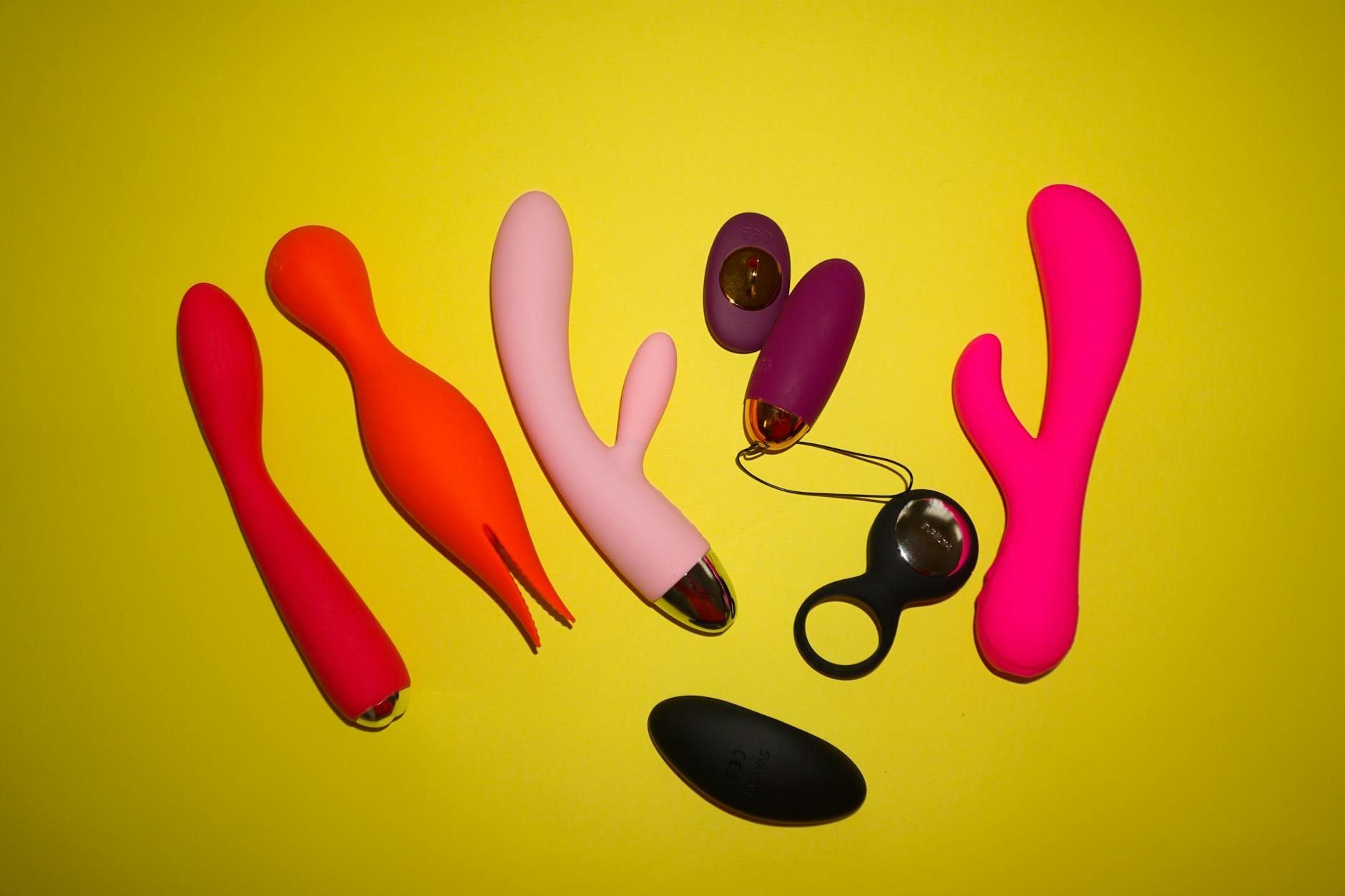
Photo by FounderTips on Pexels
How to actually introduce it into your dynamic
Don't hand them a lemon vibrator and say "use this." That's a trap. Instead, frame it as something for you: "I've been feeling disconnected from my own pleasure. I want to prioritize that without putting pressure on you." Then use it, solo, without making it a performance or an invitation.
After a few times, curiosity often builds. Your partner might ask to watch. They might ask how it feels. They might want to try it on you. You're not pushing them toward anything—you're just modeling the idea that pleasure is available, pressure-free.
For partners with lower drive, the best entry point is usually touch-adjacent. They can be in the room. They can participate in foreplay. They don't have to be the one pursuing penetration or orgasm. A lot of lower-desire partners actually enjoy giving pleasure once the performance pressure is off them. Let them explore you with the lemon vibrator while they're not stressed about "doing it right."
The conversation that opens the door
If you're struggling, this is the framework I use in my office:
Start here: "I've noticed we're both frustrated. I don't think it's about not wanting each other. I think we're both in a stuck pattern. I want to try something different."
Then name it: "I'm going to use a lemon vibrator for myself. Not instead of us, but so I can feel good without resentment building. That's on me, not you."
The ask: "I need you to know this isn't rejection of you. I need you to trust that. Can we talk about that?"
Most partners actually feel relief when this conversation happens. The lower-desire person especially often says something like "I didn't know it was okay to say no without you being upset." That honesty—that your pleasure and their boundaries can coexist—is where actual intimacy rebuilds.
When the higher-desire partner uses it solo
This is where you need to be deliberate about your approach. Use a lemon vibrator without shame, but also without making it a statement. Don't leave it on the nightstand as a silent accusation. Don't sigh or make it obvious you're frustrated. Just... take care of your own needs the way your partner might take a walk or call a friend when stressed.
Over time, lower-desire partners often become curious. Not because you've guilted them into it, but because they see that pleasure is available in the relationship—just not exclusively dependent on them. That shift is powerful. It takes the weight off.
When you both want to use it together
Once the door opens a little, this is the gentlest way forward. Let your partner hold the lemon vibrator while you guide their hand. They're doing something active (which often feels less scary than lying back), and you're getting direct stimulation. It's low-pressure and collaborative.
Alternatively, use it solo in front of them. Slow, no performance energy. "This is what feels good to me. Want to watch?" Many people with lower sex drive are actually aroused by watching their partner enjoy themselves once the pressure is off them.
The logistics that matter
Water-based lube still applies. You might need more warm-up time if your partner has been disconnected for a while. And here's what most guides miss: when desire is mismatched, the lower-desire partner often needs to feel safe before pleasure activates. That means no surprise touches during vulnerable moments. No pushing for more than they've agreed to. A lemon vibrator helps because it's a clear object—not a surprise invasion of their body.
If you're the higher-desire partner using it solo, keep it in a drawer, not on display. This isn't about hiding shame. It's about respecting that your partner might not be ready to see it yet.
What actually heals the gap
It's not the vibrator itself. It's the permission—for both of you. The higher-desire partner gets to meet their own needs without resentment. The lower-desire partner gets to say no without guilt. And sometimes, when that pressure dissolves, they start wanting again. Not because they were manipulated or guilted back into it, but because sex stopped feeling like an obligation and started feeling like an option.
I've seen couples reconnect after years of mismatched desire once they introduce this shift. Not because a lemon clitoral vibrator is magic, but because it changes the story they're telling themselves about what their mismatch means.
People also ask
Will using a lemon vibrator solo damage my relationship?
No. What damages relationships is resentment about unmet needs. Taking care of your own pleasure actually prevents that. The key is transparency. If your partner asks, tell them the truth. You're looking after yourself because you care about both of you.
What if my partner feels threatened by a lemon vibrator?
That usually signals something else: insecurity, a belief that your pleasure should only come from them, or past betrayal. Have a conversation about what's underneath that. A lemon vibrator isn't a threat to the relationship—but unspoken fears are. Address the fear, not the toy.
Can a lemon vibrator actually increase my partner's sex drive?
Not directly. But removing pressure often allows drive to emerge. When someone stops feeling obligated to perform, their brain sometimes remembers why they enjoyed sex in the first place. That's the real shift.
How do I talk about this without it feeling like rejection?
Frame it about you, not them. "I need to prioritize my own pleasure" is different from "you're not satisfying me." Own your needs without making them your partner's problem to fix.
What if one of us has a health condition affecting sex drive?
That's a conversation for a doctor, not a vibrator. Medications, hormones, and medical conditions need professional attention. A lemon vibrator is helpful alongside treatment, not instead of it.
Should we use it at the same time?
Maybe eventually. Start with solo or with your partner as a supportive presence. Let curiosity build naturally. Pressure kills desire, so don't rush the timeline.
The long view
Mismatched sex drive is one of the most repairable relationship problems, but only if both people are willing to stop the blame cycle and get honest about what's actually happening. A lemon vibrator won't fix disconnection or resentment—but it can interrupt the pattern long enough for you both to remember that you actually like each other. From there, things often rebuild on their own.
If you're stuck in the frustration, start with the conversation. Skip the toy for now. Get clear on what's really blocking you both. Then, when you're ready to reintroduce pleasure without pressure, that's where a tool like the lemon vibrator makes sense. It's not a solution. It's permission. And sometimes permission is exactly what a relationship needs to heal.