Here's what no one tells you about aging and desire
Libido doesn't disappear with age. It changes. That's the honest version, and it matters because most conversations collapse into either "everything ends" or "it's all fine, stay positive." Neither is true, and both miss the point entirely.
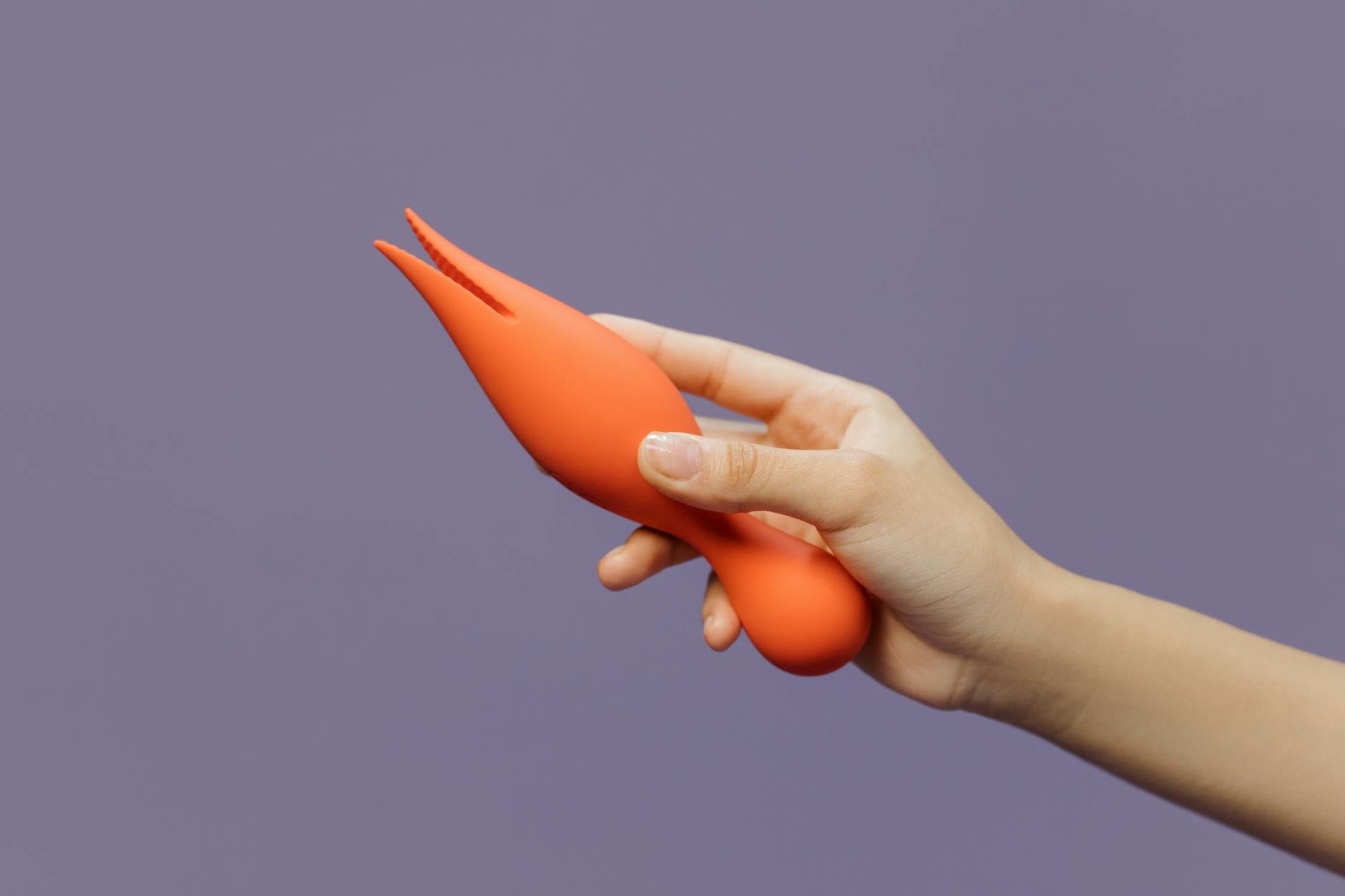
Aging shifts the speed and intensity of desire, but it doesn't erase the capacity for pleasure. In fact, many people report their deepest satisfaction arrives in their fifties, sixties, and beyond. The pathway just looks different now. And a clitoral vibrator like the Lemon can be exactly the tool that bridges that gap.
What actually happens to desire as you age
Hormones decline. Estrogen, testosterone, and DHEA all drop gradually, usually beginning in the forties and accelerating through menopause and beyond. This affects blood flow to genital tissue, arousal speed, and how quickly sensation builds.
But here's the distinction that changes everything: the neural pathways for pleasure remain intact. Your brain's capacity to experience arousal and orgasm doesn't expire. It just needs different conditions to activate.
Three physical realities you should know:
Arousal takes longer. What used to ignite in five minutes might take fifteen or twenty now. This isn't dysfunction. It's a shift. And most people never adjust their expectations, so they mistakenly assume desire has gone missing when it's actually just running on a different timeline.
Sensation feels different. Tissue thins slightly with lower estrogen. Direct friction that felt good at thirty might feel too intense now. This is where air-suction clitoral vibrators shine. They deliver powerful stimulation without the mechanical friction that can become uncomfortable.
The mental barrier gets bigger. Cultural messaging tells us that aging means less sex, less attractiveness, less right to pleasure. Many people internalize this so deeply that they stop trying before their body actually stops responding. The psychological shift often outlasts the physical one.
Why desire feels absent when it's actually just dormant
Let's separate four things that often get confused:
1. Hormonal decline vs. loss of interest. Low testosterone can dampen spontaneous desire, but it doesn't erase responsive desire (the kind that builds with stimulation and touch). Many people assume the absence of spontaneous desire means they've lost capacity entirely. They haven't.
2. Lower frequency vs. lower satisfaction. You might want sex less often. That doesn't mean sex is less satisfying when you're having it. In fact, many long-term partners report that infrequent sex, when it happens, carries more intention and depth than the routine rhythm of earlier years.
3. Partner-initiated desire vs. solo pleasure. Some people find that their desire for partnered sex drops while solo pleasure remains intact, or vice versa. These are independent variables. Recognizing which one has shifted is crucial.
4. Actual low libido vs. low arousal opportunity. If you're exhausted, stressed, or disconnected from your partner, desire will flatline regardless of age. Sometimes what looks like age-related libido loss is actually a sign that the conditions for pleasure have gone missing.
A lemon clitoral vibrator becomes valuable here because it removes one barrier: the need to wait for spontaneous desire to appear. You can create responsive desire through direct, reliable stimulation.
How to use a clitoral vibrator when desire is low
The strategy shifts when you're working with lower baseline libido.
Start with intention, not mood. Don't wait to feel like having pleasure. Block time on your calendar the way you would for anything that matters. Sunday morning, Thursday evening. Consistency builds responsive desire faster than waiting for spontaneity.
Warm up differently. Forget the five-minute warm-up. Budget twenty to thirty minutes just for sensation and touch before introducing the vibrator. This isn't laziness. This is acknowledging that your body needs more time to respond, and honoring that need.
Use the Lemon on the lower settings first. The air-suction technology on a clitoral vibrator like the Lemon means you get intense stimulation without friction. Start at pattern one or two. The sensation builds gradually, which often mirrors how arousal actually works now. You're not chasing intensity. You're building it.
Pair it with fantasies or erotica. Your brain is your most powerful sex organ, and it needs activation. Have a book, audio, or film queued before you start. Don't rely on spontaneous arousal in the moment. Feed your mind first.
Tell your partner what helps. If you have one, this matters. Many partners assume low desire means rejection. Explain that you need longer warm-up, more consistent touch, or solo time before partnered sex. Most people respond with relief. They want to help. They just didn't know what you needed.
The role of touch and connection
Desire is relational, even when you're alone. As you age, the quality of touch and emotional presence becomes more important, not less.
If you're partnered, incorporate the vibrator into shared time. Not as a replacement for sex, but as an addition. Many couples find that one partner using a clitoral vibrator while the other touches, kisses, or penetrates creates a new kind of intimacy. It removes performance pressure and invites real presence.
If you're solo, touch matters just as much. Use your hands on your breasts, neck, inner thighs. Build sensation through the whole body, not just the genitals. This trains your nervous system to remember that pleasure is whole-body, not just a destination.
The Lemon vibrator works best in this context, not in isolation. It's a tool for amplifying sensation when touch and attention are already present.
What changes when you stop fighting the timeline
Most of the distress around aging and libido comes from resisting the change, not from the change itself. Once you accept that desire works differently now, several things shift.
First, you stop waiting for the old pattern to return. You stop checking for spontaneous arousal at the beginning of the evening and assuming its absence means you're broken. You plan sex the way you plan anything else that nourishes you.
Second, you often discover that this version of pleasure is richer. You're not distracted by hormonal cycling, fertility concerns, or the subtle pressure to perform. You're actually present. Many people report that orgasms in their fifties and sixties are more emotionally satisfying than anything they experienced earlier.
Third, you get back the thing you thought was gone: desire itself. Because desire, it turns out, responds to invitation. When you stop waiting for it to arrive uninvited, it often shows up.
When to check in with a professional
If low libido is causing distress in a partnership, a sex therapist or relationship counselor can help you decode what's hormonal, what's relational, and what's simply a mismatch in expectations that's fixable with conversation.
If you suspect your libido drop is linked to medication (particularly SSRIs or blood pressure meds), talk to your doctor. Timing changes or alternative medications often help without sacrificing your mental health.
If pain appears alongside low desire, that's worth investigating with a gynecologist. Hormonal changes can create physical friction that makes sex uncomfortable. A simple topical estrogen cream can often transform the experience in weeks.
Reconnecting is a practice, not a moment
Using a lemon clitoral vibrator when libido is low works best as part of a bigger practice: showing up for yourself consistently, setting realistic timelines, and treating pleasure as maintenance, not luxury. You're not trying to resurrect the desire you had at twenty-five. You're building the desire you're capable of now. And honestly, that version is often more satisfying because it's actually yours.
People also ask
How long does it take to rebuild libido after it's dropped?
Three to four weeks of consistent, intentional practice usually shows noticeable shifts. Your brain and body need time to remember that pleasure is possible. Using a clitoral vibrator during this period helps because it provides reliable sensation while you're rebuilding neural pathways for arousal. Don't expect immediate return to earlier patterns. Expect gradual increase in both desire and satisfaction.
Can a Lemon vibrator actually help when you don't feel like having sex?
Yes, but not in the way you might think. The vibrator doesn't create desire from nothing. Instead, it amplifies responsive desire. When you use it with intention and attention, it helps your body remember how to build arousal. Many people find that ten minutes with a clitoral vibrator shifts their entire evening. The body's response often precedes the mind's.
Is low libido with age the same as low libido from stress or depression?
No. Age-related libido shifts happen gradually and are paired with other hormonal changes like irregular periods, sleep shifts, or temperature regulation issues. Stress or depression-related libido drops often feel sudden and are accompanied by mood changes, sleep problems, or loss of interest in other activities. The treatment pathway is different. Age-related changes respond well to consistent pleasure practices. Stress and depression need to be addressed at the root.
Should I use a lemon clitoral vibrator alone or with my partner?
Both work. Some people find that solo practice first helps them rebuild confidence and reconnect with their own pleasure without performance pressure. Others find that partnered use deepens intimacy. Many do both. There's no wrong answer. What matters is consistency and the removal of pressure.
Does the intensity setting matter when libido is low?
Absolutely. Start low. The air-suction technology of clitoral vibrators means you get sensation quickly even on lower patterns. Building stimulation gradually often feels more natural than jumping to high intensity. You're also less likely to numb sensation by starting too strong.
What if my partner has normal libido and I don't?
This is one of the most common tensions in aging relationships. The mismatch is real and solvable. The key is separating it into two conversations: one about your body's needs (longer warm-up, consistent timing, different kinds of stimulation) and one about the relationship (do we want more frequent sex, or are we okay with less frequent but more intentional sex?). Many couples use a clitoral vibrator together precisely because it invites both people to show up differently. One partner might use it while the other touches and talks. This distributes the pressure and often increases desire on both sides.
The bottom line
Aging changes the shape of desire. It doesn't end it. A lemon clitoral vibrator works best when you accept that shape and work with it, not against it. Consistency beats intensity. Intention beats waiting. Connection beats performance. And often, the sex you have in your fifties or sixties, when you finally stop forcing the timeline, is the sex you should have been having all along.
If you're navigating this shift and want support, consider reaching out to a relationship specialist or sex therapist. You deserve a pleasure practice that actually fits your life now.