Let's name what's actually happening
Hormonal shifts kill desire faster than almost anything else. Not capacity. Not your ability to come. Just desire. And there's a massive difference between those three things, which is why most conversations about this get stuck.
When your hormones change.because of birth control, stopping birth control, perimenopause, postpartum recovery, or medications like SSRIs.the brain chemistry that drives "I want this" gets dampened. Your clitoris doesn't stop working. Your nerve endings don't disappear. Your body hasn't forgotten how to respond. But the signal that says "go find pleasure" gets turned way down, and that's genuinely disorienting.
Why hormones drive desire (and what drops when they change)
Desire runs on three hormones: dopamine, testosterone, and estrogen. You probably know about estrogen and testosterone, but dopamine is the real heavyweight here. It's the "I want" chemical. It's what makes you reach for something. When hormones shift.especially estrogen and testosterone.dopamine production often drops with them.
This is not in your head. It's not low libido from stress, though stress makes it worse. It's measurable, predictable, and fixable.
Here's what happens physically during hormonal shifts:
- Testosterone drops. This affects desire directly. In people with vulvas, testosterone production happens in the ovaries and adrenal glands. When those systems change, testosterone availability changes too.
- Estrogen fluctuations mess with dopamine receptors. Your brain's ability to feel the desire signal depends partly on estrogen levels. When estrogen swings wildly or stays low, dopamine doesn't land the same way.
- Arousal takes longer. The physical response.blood flow, lubrication, clitoral engorgement.depends on estrogen and blood vessel flexibility. When estrogen drops, the whole ramp-up period gets longer.
- Sensitivity patterns shift. Some people find their clitoris becomes more sensitive. Others find it needs different kinds of stimulation. Both are normal. Both require exploration.
The kicker is that none of this means you're broken. It means your nervous system is recalibrating, and your pleasure response needs a new pathway.
The bridge between "I don't want to" and "actually, I do"
This is where a lemon vibrator becomes genuinely useful, and not for the reason you might think. It's not about forcing desire. It's about creating the conditions where desire can resurface on its own.
When desire is suppressed by hormonal changes, the typical path is: wait for desire to come back (it doesn't), then feel bad about not wanting sex, then sex becomes something you do out of obligation or resentment. That's a death spiral.
The alternative is: create a low-pressure exploration space where pleasure can happen independent of desire. Use that experience to remind your brain what pleasure feels like. Let your body remember. Then desire often follows.
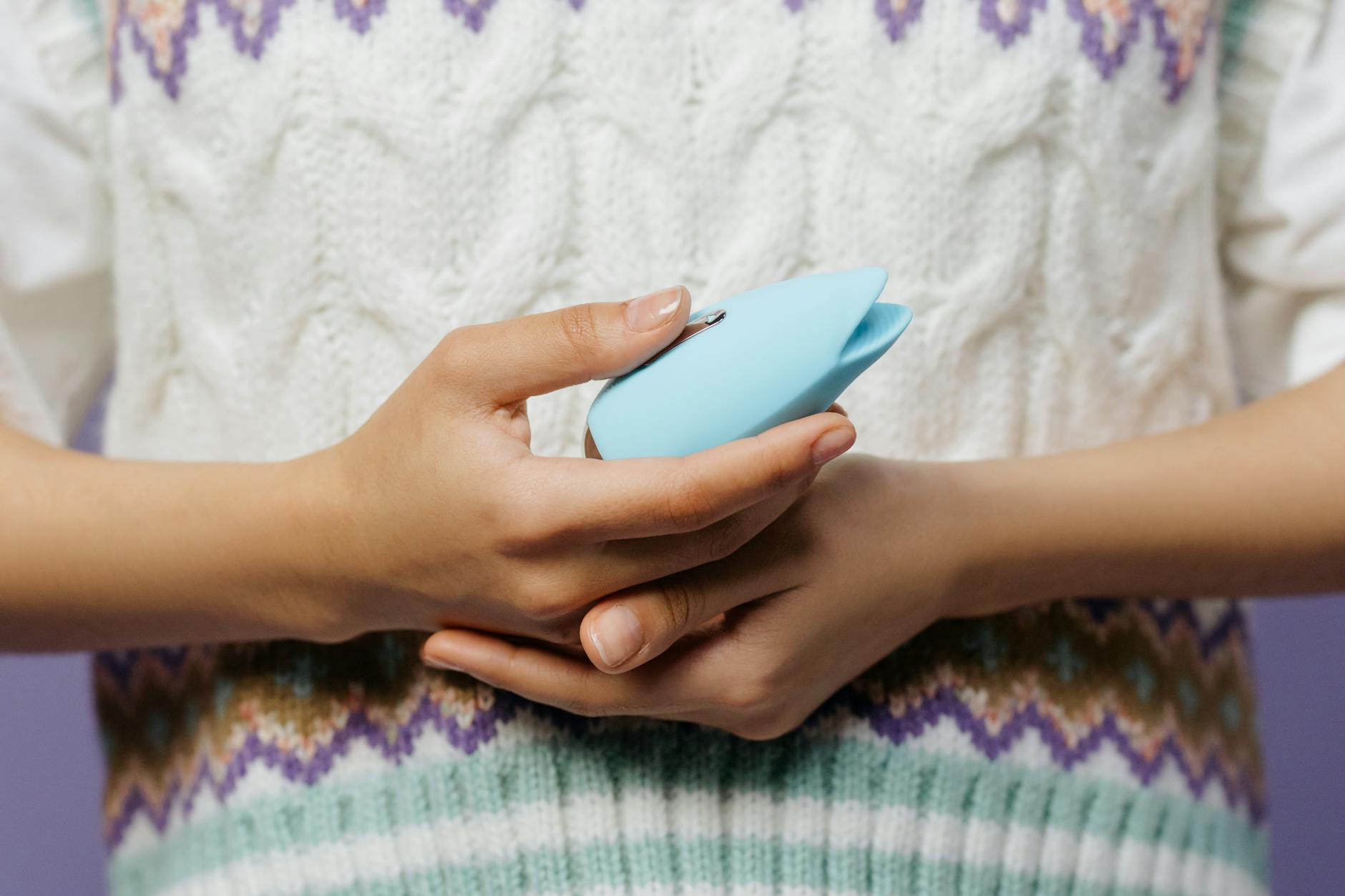
A lemon clitoral vibrator works here because suction-based stimulation doesn't require the same kind of manual coordination or endurance that traditional vibration does. You're not trying to hit a specific spot with perfect rhythm. The suction does the work. You show up, relax, and let sensation build. That matters when your nervous system is already tired from hormonal chaos.
How to actually use a lemon vibrator when desire is stuck
Start outside the bedroom. Seriously. When desire is suppressed, the bedroom has become a place of pressure and disappointment. Use your lemon vibrator somewhere else first.the bath, a couch, a chair with good back support. Somewhere with zero performance expectations.
Set a timer for 10 minutes, no more. You're not trying to come. You're not trying to prove anything works. You're just exploring sensation with zero stakes. This is play, not a test.
Use water-based lubricant. Hormonal changes often mean less natural lubrication, especially if estrogen is low. Lube isn't a sign of failure. It's a tool that makes sensation better. Start with it every time.
Play with intensity settings. If you're using a lemon vibrator, start at the lowest setting. You might be surprised how much stimulation is actually available at settings 1 and 2. Your nervous system doesn't need to be overwhelmed right now. It needs to feel safe enough to notice sensation.
Track what changes. Does one setting feel better than another? Does a particular day of the cycle (if you still cycle) feel different? Do you feel more responsive after exercise, or rest, or time outside? This isn't clinical. It's just noticing. Your body is trying to tell you something about what it needs.
The point isn't to force an orgasm. The point is to create evidence that pleasure still exists in your body, even when desire feels distant. That evidence matters. It changes the story you tell yourself from "my body is broken" to "my body is recalibrating, and I can help that process."
Why your partner needs to know this isn't personal
If you're navigating hormonal changes in a relationship, the hardest conversation isn't about the lack of desire. It's helping your partner understand that hormonal shifts creating low desire isn't a referendum on them.
Partners often interpret suppressed desire as rejection. They feel it personally. And then they withdraw, which makes everything worse. So you have to name it directly: "My desire is suppressed right now because of hormonal changes. That's about my nervous system, not about how I feel about you."
Then tell them what helps. "I'm going to explore pleasure on my own for a few weeks. This isn't me avoiding you. It's me trying to rebuild the signal so that when we come together, I can show up more fully."
Most partners actually understand this immediately. The relief is visible. You're not rejecting them. You're not withholding. You're actively working on something. That's different.
When to layer in partner exploration
Once you've spent a couple of weeks with solo exploration using your lemon vibrator, you can invite your partner in, if you want to. And the framing matters here too.
Don't say, "I'm ready for sex now." Say something like, "I want to explore sensation together while I'm rebuilding my desire. No pressure for it to go anywhere. Just you, me, and the experience."
Then use the vibrator the same way you did solo. Let them watch, or participate, or just be present. The goal isn't sex. The goal is to remind your nervous system that pleasure and partnership can coexist, even when desire is stuck in neutral.
A lot of couples find that this actually deepens connection. You're being vulnerable about the hormonal reality. You're asking for something specific instead of waiting for your partner to guess. You're doing the work alongside each other instead of treating it as a problem to fix.
The timeline question (when does desire actually come back?)
Honestly? It depends. If your hormonal shift is from stopping birth control, desire often rebounds within 3.6 months as your natural cycle reestablishes itself. If it's from perimenopause or early menopause, it can take longer, but testosterone therapy or estrogen optimization can speed it up significantly.
If it's from an SSRI or other medication, sometimes switching drugs helps. Sometimes adding a second medication helps. Sometimes you get used to it. This is worth a real conversation with a prescriber, not just acceptance.
The point is: don't wait forever hoping it'll come back on its own. If you're three months in and desire hasn't budged, get help. Talk to your doctor. See a therapist. Try something different. Desire isn't a moral failing. It's a signal that something in your system needs attention.
FAQ on Lemon Vibrators and Hormonal Desire
Can a lemon vibrator help rebuild desire even if I don't feel aroused?
Yes, but differently than you might expect. A lemon clitoral vibrator won't manufacture desire, but it creates a sensory pathway that can jumpstart the arousal process. When desire is suppressed hormonally, your brain has trouble hearing the signal from your body. Using a vibrator consistently can rebuild that conversation. You're training your nervous system to recognize and respond to pleasure again, which often helps desire resurface naturally over weeks.
How often should I use a lemon vibrator if my hormones are a mess?
Start with 2.3 times per week, not daily. When desire is suppressed, daily use can feel like homework, which kills everything. A few intentional sessions spaced out gives your nervous system time to notice the difference and get curious. You're not trying to schedule desire. You're creating opportunities and getting out of the way.
Does using a vibrator mean my partner isn't enough?
No. A lemon vibrator is a tool, same as lube or a pillow. It does something your body or a partner's body can't do consistently: apply steady suction stimulation without fatigue. Using one solo while rebuilding desire doesn't replace partnership. It complements it. And most partners, once they understand the hormonal reality, feel relieved that you're taking active steps instead of just withdrawing.
What if I still don't feel anything even with a lemon vibrator?
That's real, and it matters. It suggests either the hormonal suppression is very deep, or there's something else layered on top.relationship stress, medication side effects, past trauma, or depression. A lemon vibrator is helpful but not magical. If weeks of exploration yield nothing, that's the signal to get professional support.a therapist, a doctor, or both. You're not broken, but you might need more than a tool.
Are there specific hormonal changes where lemon clitoral vibrators work better?
They tend to be most helpful when desire is suppressed but sensation is still intact. So post-birth-control hormone rebalancing, early perimenopause, or SSRI.related suppression all respond well. In late menopause when tissue changes are severe, you might need more lube support, but the tool still works. In deeper depression or severe hormonal dysregulation, you might need medication adjustment first, then add the vibrator.
Can my partner use the lemon vibrator on me if I'm not interested in using it myself?
Maybe, but approach it gently. If you're not interested in solo exploration yet, having a partner initiate vibrator use can feel like pressure, even with good intentions. Better to use it solo first, rebuild your own relationship with sensation, then invite your partner in once you're more curious. That way it's not happening to you. It's something you're choosing together.
What actually changes when you do this work
After a few weeks of consistent exploration with a lemon vibrator, here's what most people notice: sensation returns first. You start feeling more in your body, period. Not just during masturbation. In everyday life. That's huge.
Then arousal starts sneaking in. You're not chasing it. But you notice yourself thinking about pleasure more often. Your body feels less numb. That's the dopamine pathway rebuilding.
Finally, if you're in a partnership, desire often starts trickling back in because the shame and pressure have lifted. You're not performing. You're exploring. And that changes everything.
Hormonal shifts are real. They change how your body works. But they don't define your capacity for pleasure, and they're not a life sentence. A lemon vibrator, used intentionally during this recalibration period, can be the bridge between where you are now and where you want to get back to.