When relationship changes mess with your baseline
Let's be real. A relationship shift—whether that's a breakup, a major conflict, a partner checking out, or even a new relationship starting—doesn't just change your circumstances. It rewires your confidence in your own pleasure.
You might feel disconnected from what used to feel good. You might worry that something's wrong with you now. Or you might find yourself in a new dynamic where you're unsure what your body actually wants, separate from anyone else's needs or timeline.
That's not broken. It's actually incredibly common, and it's fixable.
Why nervous pleasure is a real physical thing
When we feel anxious or unsure about intimacy, our nervous system tightens. Blood flow to the genitals decreases. Arousal takes longer to build. The muscles around the clitoris and vagina contract slightly, which can make touch feel less intense or even uncomfortable. It's not in your head. It's in your body's threat response.
This is why solo exploration—without the pressure of a partner's timeline or expectations—is so powerful. You're not trying to perform. You're not managing someone else's feelings. You're just learning what your body wants in a no-stakes environment.
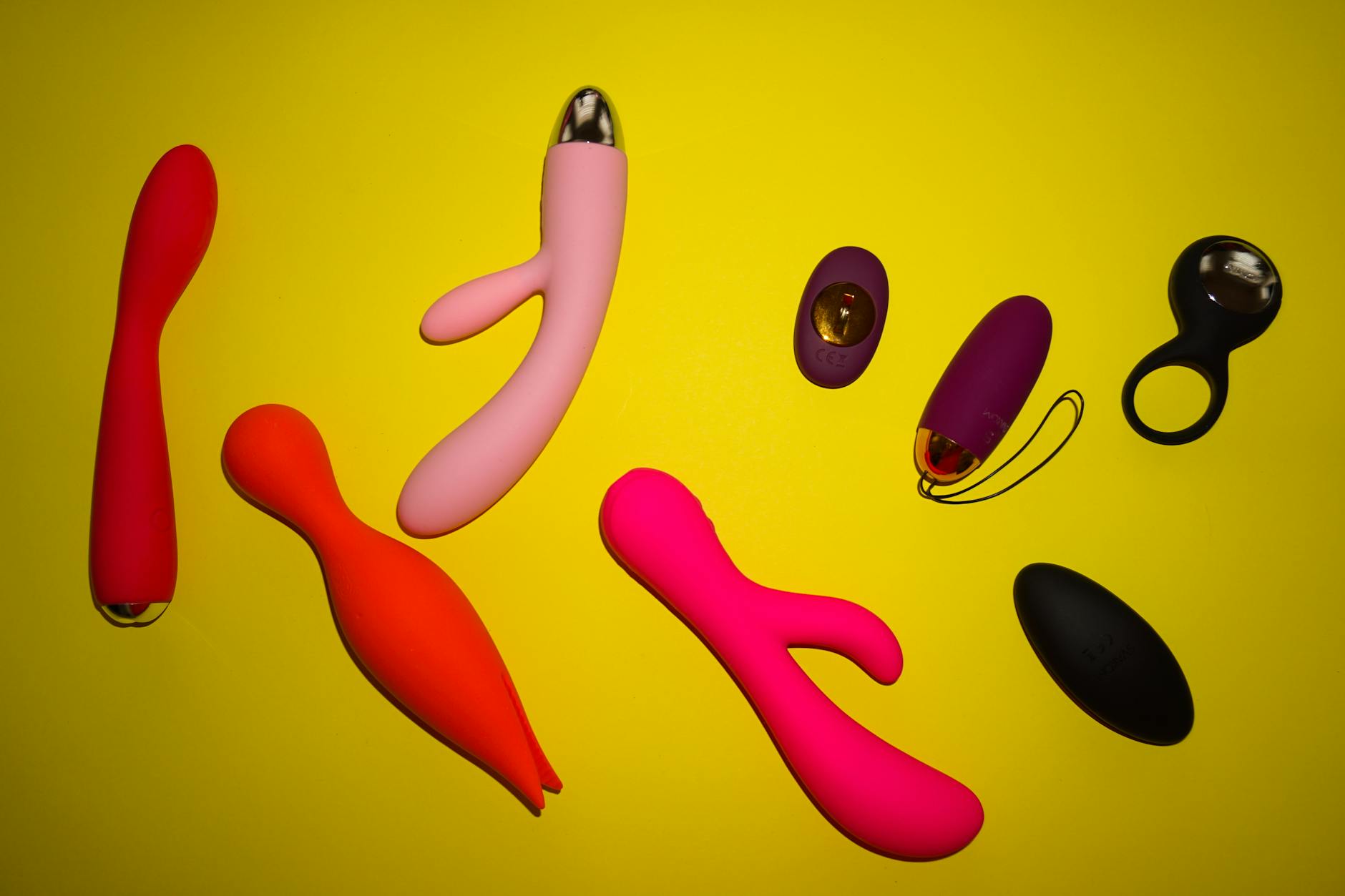
A lemon clitoral vibrator is particularly useful here because the suction sensation creates a different kind of stimulation than fingers or a partner's touch. It's novelty. It's consistent. And it requires zero performance from you.
Starting small when confidence is shaky
If you're nervous, don't pressure yourself to have an orgasm on day one. That's the second-best way to guarantee you won't.
Instead, use the first few sessions just to get familiar with sensation. Start with the Lemon Vibrator on the lowest setting. Spend 10 minutes just noticing what different patterns feel like. Some might feel too intense. Some might barely register. Some might surprise you.
Write down what you notice. Not for anyone else to read. For you to build a map of your own pleasure. This is how you start separating "what I like" from "what I thought I was supposed to like." That distinction is huge.
During this phase, it's normal to feel nothing, or to feel distracted, or to want to stop. That's not failure. That's data. Your nervous system is still in learning mode.
Creating the right context matters more than you think
Your brain is part of your sexual anatomy. If you're in a noisy, interrupt-prone environment, or if you're feeling rushed, or if you're worried about someone walking in, your nervous system stays partially guarded. Pleasure won't expand in that space.
Set 20-30 minutes aside. Lock the door if you need to. Silence your phone. If you have a partner, let them know you need solo time and won't be available. (You don't owe anyone details, but clarity prevents interruptions.)
Light a candle if that helps your brain shift into "this is for me" mode. Some people put on instrumental music. Some sit in daylight. Whatever signals to your nervous system that this is intentional and safe.
Then start low. Lowest pattern, lowest intensity. Let your body adjust.
The arousal ramp-up looks different after relationship shifts
If you've been in a dynamic where sex was fast or pressured, arousal might feel unfamiliar. It might take 15 or 20 minutes to notice anything at all. That's not a problem. That's actually a sign your nervous system is taking its time to feel safe, which is exactly what needs to happen.
With a lemon sexual toy like the Lemon Vibrator, you can stay with longer warm-up. The suction patterns don't require the same intensity that other stimulation does. You can spend 10 minutes at pattern one, feeling into what's shifting in your body. Then move to pattern two for another 10 minutes.
Some sessions, you'll feel more. Some sessions, you'll feel less. Both are fine. You're retraining your body to trust its own responses, not to chase an outcome.
When pleasure feels different than before
Your pleasure might have shifted because of the relationship change itself. Maybe you used to feel safe and now you don't. Maybe you were numb before and now you're thawing out. Maybe your body is just responding to a different nervous system state.
All of that means your pleasure is actually changing in real time. That's not a regression. That's adaptation.
If something that used to feel amazing now feels harsh, dial back the intensity. Your clitoris might need gentler stimulation while you're rebuilding trust in your own arousal. A lemon clitoral vibrator's suction mechanism is gentler on sensitive tissue than some other options. You're not fighting friction. You're working with gentle pressure.
If you notice you need more time or more sensation to reach a climax, that's also normal. Your baseline has shifted. That doesn't mean you're broken. It means you're in a different season, and the tool needs to match the season you're actually in.
What to do if orgasm feels blocked
Sometimes after relationship changes, orgasm feels stuck behind a wall. You can feel pleasure building, but it won't crest. That's not a physical problem. That's a nervous system still holding onto protection.
When this happens, stop chasing the orgasm. That's counterintuitive, but it works. Spend a session just enjoying sensation without any goal. No "I should be able to come by now" narrative. Just pleasure for its own sake.
Your nervous system will eventually trust that you're actually safe and it can release. That might take a few sessions. That's fine.
If this persists beyond a month of regular practice, and if you've been through a particularly heavy relationship change (infidelity, major conflict, grief), consider talking to a therapist who specializes in sexuality or somatic work. Sometimes the nervous system needs professional support to fully reset.
Sharing this discovery with a new partner (if that applies)
If you're building a new relationship after a change, there's no obligation to jump into partnered sex while you're still rebuilding your own baseline. Let yourself solidify solo practice first.
When you do eventually include a partner, you now have real data about what you like, what paces work for you, and what your body needs. That information is gold. It means you're not guessing. You're not performing. You're actually advocating for your own pleasure.
You can also introduce a lemon sexual toy into partnered play if that feels right. Some couples find it adds novelty and takes pressure off the partner to be the only source of stimulation. The Lemon Vibrator works beautifully in partnered contexts because it's discreet enough for a partner to use on you, or for you to use while they're involved in other ways.
But that's a later conversation. Right now, the work is solo and foundational.
Why consistency matters, even when it feels slow
Rebuild your pleasure confidence over weeks, not days. A consistent 20-minute practice two or three times a week is more powerful than sporadic longer sessions.
Consistency tells your nervous system: "This is safe. This is happening regularly. You can begin to relax." That's the permission your body needs to start expanding its capacity for sensation and arousal.
You're not training yourself to climax faster. You're training yourself to feel like your own pleasure is a priority worth protecting time for. That shift alone changes everything.
The bigger picture: your pleasure is a skill
When relationship changes rock your confidence, it's easy to blame yourself or your body. But pleasure isn't something you either have or don't. It's something you practice and develop.
Using a lemon clitoral vibrator intentionally during a nervous season is you deciding that your own sensation matters. That solo exploration counts. That rebuilding trust in your body is worth time and space.
That's not selfish. That's foundational. And it's exactly what you need right now.
People also ask
How long should I wait before using a vibrator after a relationship ends?
There's no magic timeline. Some people benefit from solo practice within days of a breakup. Others need a few weeks to process. The right question isn't "when am I allowed," it's "when does this feel like something I want for me, not something I'm doing to prove I'm okay." If exploration feels like genuine curiosity rather than distraction or avoidance, you're ready. Solo practice is actually one of the healthier ways to process a relationship shift because it keeps you anchored in your own body and pleasure.
Will using a lemon vibrator help me feel like myself again?
Yes, but not immediately. A lemon clitoral vibrator is a tool that helps you reconnect with sensation and arousal, which are fundamental to feeling at home in your body. When you rebuild a regular practice of solo pleasure, you're also rebuilding trust in your own nervous system and your own desires. That takes time—usually a few weeks—but it does work. The key is consistency and no pressure around outcomes.
What if I feel numb or disconnected even with a vibrator?
Numbness after relationship changes is common and doesn't mean you're broken. It usually means your nervous system is still in protection mode. Keep using the vibrator at low intensities without chasing sensation. The numbness will eventually lift as your nervous system realizes it's safe. If numbness persists beyond two months, a therapist trained in somatic therapy can help your nervous system reset more quickly.
Can I use a lemon vibrator with a partner if I'm rebuilding confidence?
Yes, if both of you want to. But there's no pressure to rush partnered play while you're still solidifying solo practice. Some couples find that the person rebuilding confidence practices solo first, then introduces a lemon sexual toy into partnered play once their own baseline feels stable. That way, you're not trying to rebuild your own pleasure while also managing a partner's feelings. One step at a time.
How do I know if my nervousness about pleasure is normal or if I need professional help?
Nervousness about pleasure after a relationship shift is normal. Mild numbness or a slow arousal ramp-up is normal. If you're experiencing pain during stimulation, complete inability to feel any sensation after consistent practice for over a month, or if the anxiety feels overwhelming, talk to a therapist or sex-positive healthcare provider. Sometimes the nervous system needs professional support to reset fully, and that's not a failure on your part.
Should I tell my partner I'm using a lemon vibrator for solo exploration?
That's your call based on your relationship and comfort level. If you're partnered and have established trust, sharing what you're exploring can deepen intimacy. If you're single or new to a partnership, solo practice is entirely private. What matters is that you're creating time and space for your own pleasure exploration, whether you discuss it with a partner or not.