
Let's talk about why pleasure sometimes goes quiet
You show up for sex and your body just doesn't light up the way it used to. Touch that used to make you gasp feels like nothing. Orgasms take forever or barely register. You're not broken, you're not losing your sexuality, and it's almost certainly not that you don't want your partner anymore. Pleasure sensation just gets muted sometimes, and knowing why changes how you fix it.
Decreased pleasure sensation is wildly common and has nothing to do with how much you care or how much you want to feel good. It happens for physical reasons (hormone shifts, medication, pelvic floor tension), psychological reasons (stress, emotional distance, low-grade burnout), or both tangled together. The good news: a clitoral vibrator like the Lem works specifically because it bypasses some of those barriers and speaks directly to your nervous system.
Why sensation actually flatlines
Three major culprits flatten pleasure sensation, and you might have all three running at once.
Hormonal quiet. Estrogen, progesterone, and testosterone all affect nerve sensitivity. When hormones drop (menopause, some forms of birth control, breastfeeding), nerve endings in the clitoris become less responsive. Your clitoris isn't smaller or less capable. The signal just travels slower and quieter.
Medication numbness. Antidepressants, blood pressure meds, antihistamines, and some pain medications literally dampen the nervous system's ability to feel sensation. SSRI antidepressants are famous for this. That flatness isn't depression itself. It's a side effect of the tool trying to help you.
Pelvic floor lockdown. When you're stressed, anxious, or in relationship conflict, the pelvic floor tightens protectively. Chronic tension there actually reduces blood flow to the clitoris and decreases nerve sensitivity. It's your body's way of armor-plating itself, but the cost is pleasure.
Add in chronic stress, emotional distance from a partner, or just the low-grade dissociation that comes with being overextended, and pleasure sensation gets buried under layers of self-protection.
How clitoral vibrators actually restore sensation
Unlike hands or penetration, a clitoral vibrator like a lemon vibrator applies consistent, rapid micro-movements to a specific area. Here's what happens: those vibrations activate different nerve pathways than regular touch does. They bypass the dulled receptors and speak directly to the deeper nerve clusters around the clitoris.
Think of it like this. If normal touch is a whisper and your ears are stuffed up, vibration is a louder frequency that gets through anyway. The Lem and similar clitoral vibrators use suction and pulsing patterns that effectively "reset" sensation by giving your nervous system something it can actually register.
For people on antidepressants or dealing with hormonal flatness, this matters because you're not fighting against your body's chemistry. You're working with a tool that meets your current nervous system where it is. Studies on clitoral vibrator use show significant improvement in orgasm intensity and ease of reaching orgasm for people dealing with medication side effects or hormonal shifts.
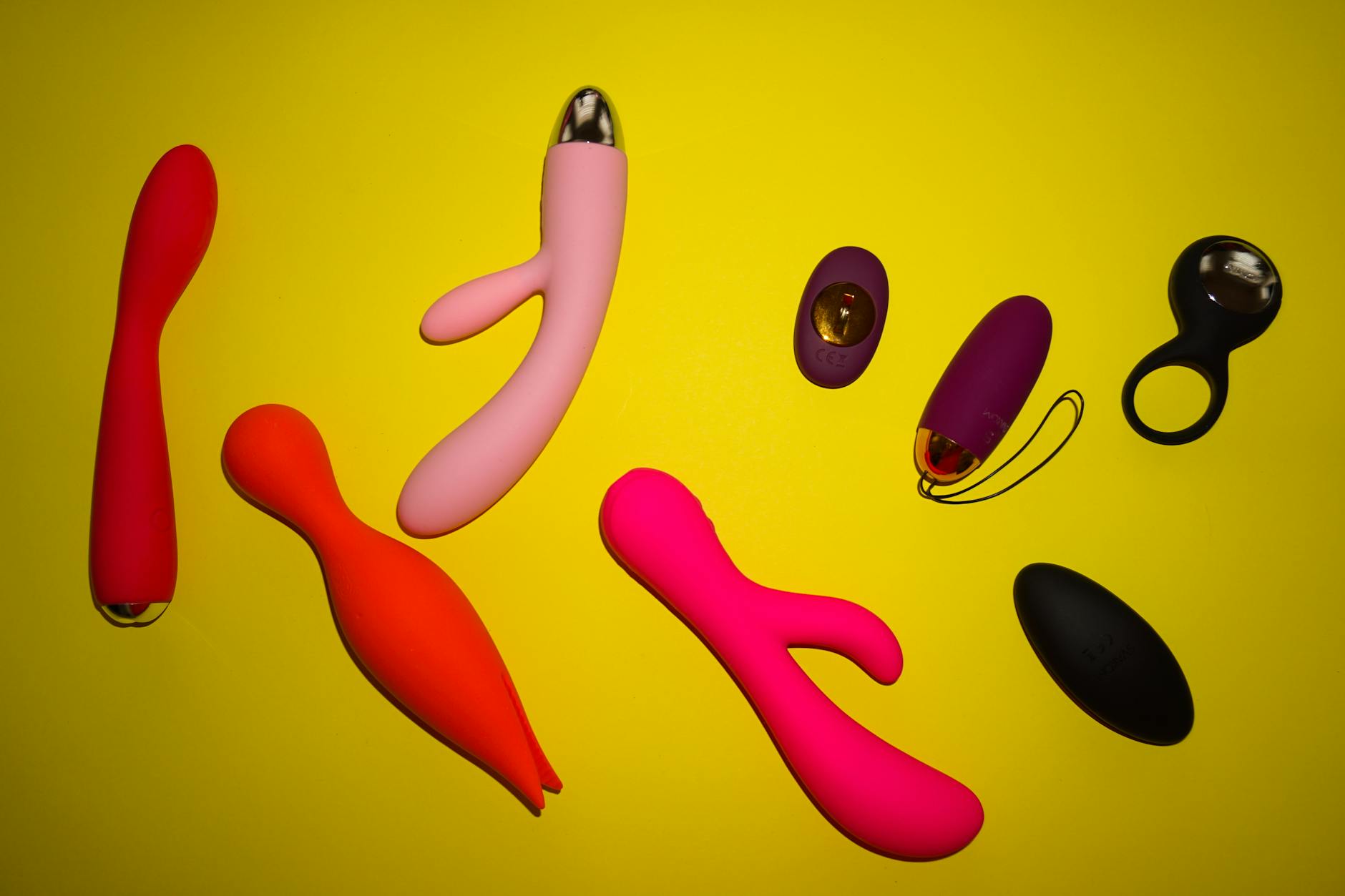
Photo by FounderTips on Pexels
Step 1: Restart your pelvic floor
Before you use any lemon vibrator, you need to unclench. Most people with flattened pleasure have some degree of pelvic floor tension, even if they don't feel it consciously.
Spend three to five minutes just breathing and softening. Lie down, put one hand on your belly and one below your navel. Breathe in for four counts, out for six. On each exhale, actively relax your pelvic floor like you're letting an elevator slowly descend. Don't "do" kegels right now. Do the opposite. Most pleasure recovery starts with learning to release, not clench.
This matters because you can't feel anything when you're bracing. The pelvic floor is a muscle, and it responds to the same nervous system signals as the rest of your body. When it's locked, sensation is locked with it.
Step 2: Start at lower intensity and work gradually
When sensation is flattened, the instinct is to go hard and fast. That usually backfires because overstimulation actually shuts your nervous system down further. Think of it like bright light in the dark. You need to adjust gradually.
Start the Lem on the lowest pattern setting. Spend time there without expecting a result. Let your nervous system slowly remember what vibration feels like. This might take 10 to 15 minutes. You're not chasing an orgasm. You're waking something up.
After three or four sessions, move to pattern two. After a week, try pattern three. This slow escalation works because you're rebuilding the neural pathways that carry pleasure sensation, and that takes time. Pushing too hard too fast just teaches your nervous system to shut down again.
Step 3: Build the bridge between alone and partnered
If decreased sensation happened inside a relationship, using a vibrator solo first changes the dynamic. When you rediscover pleasure alone without performance pressure, something shifts. You rebuild trust in your own body.
Then bring the lemon vibrator into partnered time without making it a replacement for your partner. They can hold it. You can hold it together. Or they can use it on you while your hands are free to touch them back. The goal is rebuilding sensation as a team activity, not a solo save.
This reconnection matters more than the tool itself. Many couples find that using a clitoral vibrator together actually deepens intimacy because it removes shame and performance anxiety. You're not failing to orgasm. You're both actively building pleasure back in.
Step 4: Adjust other variables that amplify sensation
A vibrator is one tool. The environment matters just as much.
Mind your timing. If sensation is flattened by stress, don't try to use a vibrator when you're mentally spinning. That's like trying to hear a whisper in a loud bar. Give yourself permission to take 15 to 20 minutes to settle first. A bath, a walk, journaling, whatever gets you out of your head.
Use plenty of lube, even if you don't think you need it. Most people with decreased sensation also have some vaginal dryness or tension, whether they notice it or not. Good water-based lube reduces friction and makes vibration feel smoother and more pleasurable. It also signals safety to your nervous system, which is essential for sensation recovery.
Turn off your phone. Seriously. Sensation is fragile when it's just coming back. Your nervous system needs zero competing demands.
Step 5: Know when to bring in help
If pleasure sensation hasn't improved after four to six weeks of regular use (3-4 times weekly with the Lem or similar clitoral vibrator), talk to your doctor. Medication adjustment, hormone testing, or a referral to a pelvic floor physical therapist might be necessary.
This isn't failure. It's information. Sometimes decreased sensation is a sign that something else needs adjusting. A good provider will work with you to figure out whether it's a medication side effect that can be modified, a hormonal issue that responds to treatment, or pelvic floor dysfunction that benefits from physical therapy.
Many couples also find value in talking to a therapist who specializes in intimacy and sex during this phase. If decreased pleasure happened alongside relationship stress or emotional distance, the vibrator alone won't fix what needs emotional repair.
FAQ: Pleasure sensation and clitoral vibrators
Why does my clitoris feel less sensitive than it used to?
Sensitivity changes happen for lots of reasons. Hormonal shifts (menopause, birth control changes, pregnancy, postpartum), certain medications (especially SSRIs), chronic stress, and pelvic floor tension all reduce how much sensation registers. Age alone doesn't cause decreased sensitivity, but the combination of hormonal shifts and accumulated stress often does. The good news is that sensitivity usually returns once you identify and address the underlying cause.
Can using a vibrator too much desensitize me further?
No, but overusing it incorrectly can. If you're using high intensity or long sessions (over 20-30 minutes) every single day without breaks, you might experience temporary numbness the next day. That's different from permanent desensitization. Take days off between sessions, start at lower intensities, and gradually work up. Your nervous system needs recovery time to rewire, just like your muscles do after exercise.
How long does it usually take to feel sensation coming back?
Most people notice some improvement in the first two to three weeks of regular use (two to four times weekly at lower intensity). Significant improvement usually shows up by four to six weeks. If you're on medication that's causing flatness, the timeline depends on whether the medication dose can be adjusted. Talk to your prescriber about your concerns.
Is there a difference between a lemon vibrator and other clitoral vibrators for sensation recovery?
Clitoral vibrators using suction and pulsing patterns (like the Lem) tend to be particularly effective for sensation recovery because they activate deeper nerve pathways and feel distinctly different from hand touch. That difference is actually the point. Your nervous system recognizes it as novel input, which helps wake it up. Any good clitoral vibrator can help, but ones designed specifically for clitoral sensation tend to work faster.
Should I use a vibrator if I'm on an antidepressant?
Yes, in fact many people on SSRIs find that clitoral vibrators are one of the most effective tools for managing medication-related sexual side effects. If you're experiencing decreased pleasure sensation as a side effect of your antidepressant, using a lemon vibrator is worth discussing with your prescriber. Some people adjust their dose timing or type of medication. Others use the vibrator long-term and find it completely resolves the side effect.
What if decreased sensation is about relationship stress, not hormones or medication?
Then the vibrator is a supporting tool, not the whole solution. Your nervous system flattens sensation partly to protect you emotionally. Using a clitoral vibrator solo can help you rebuild trust in your own pleasure. But if the emotional distance or conflict with your partner is still present, addressing that is essential. Many couples find that working with a therapist alongside pleasure recovery produces lasting change.
Start where you are, not where you think you should be
Decreased pleasure sensation is your nervous system's way of saying something needs attention. That something might be medication, hormones, stress, emotional distance, or pelvic floor tension. Usually it's a mix.
A clitoral vibrator like the Lem is an effective tool for rewaking sensation because it works with your nervous system rather than against it. But it works best alongside the other things: pelvic floor release, stress management, relationship repair if needed, and professional guidance if sensation doesn't improve.
Your pleasure matters. It's not a luxury or a sign of being shallow. It's a signal of nervous system health and emotional connection. When it goes quiet, the goal is to listen to what it's trying to tell you, then use the tools and support you need to bring it back.