Here's the thing about anxiety and pleasure
Anxiety doesn't just make you feel worried. It literally hijacks your nervous system's ability to respond to pleasure. When your body is stuck in fight-flight mode, arousal can't happen. Your mind might want it. Your body won't cooperate. This isn't a character flaw. This is neurology.
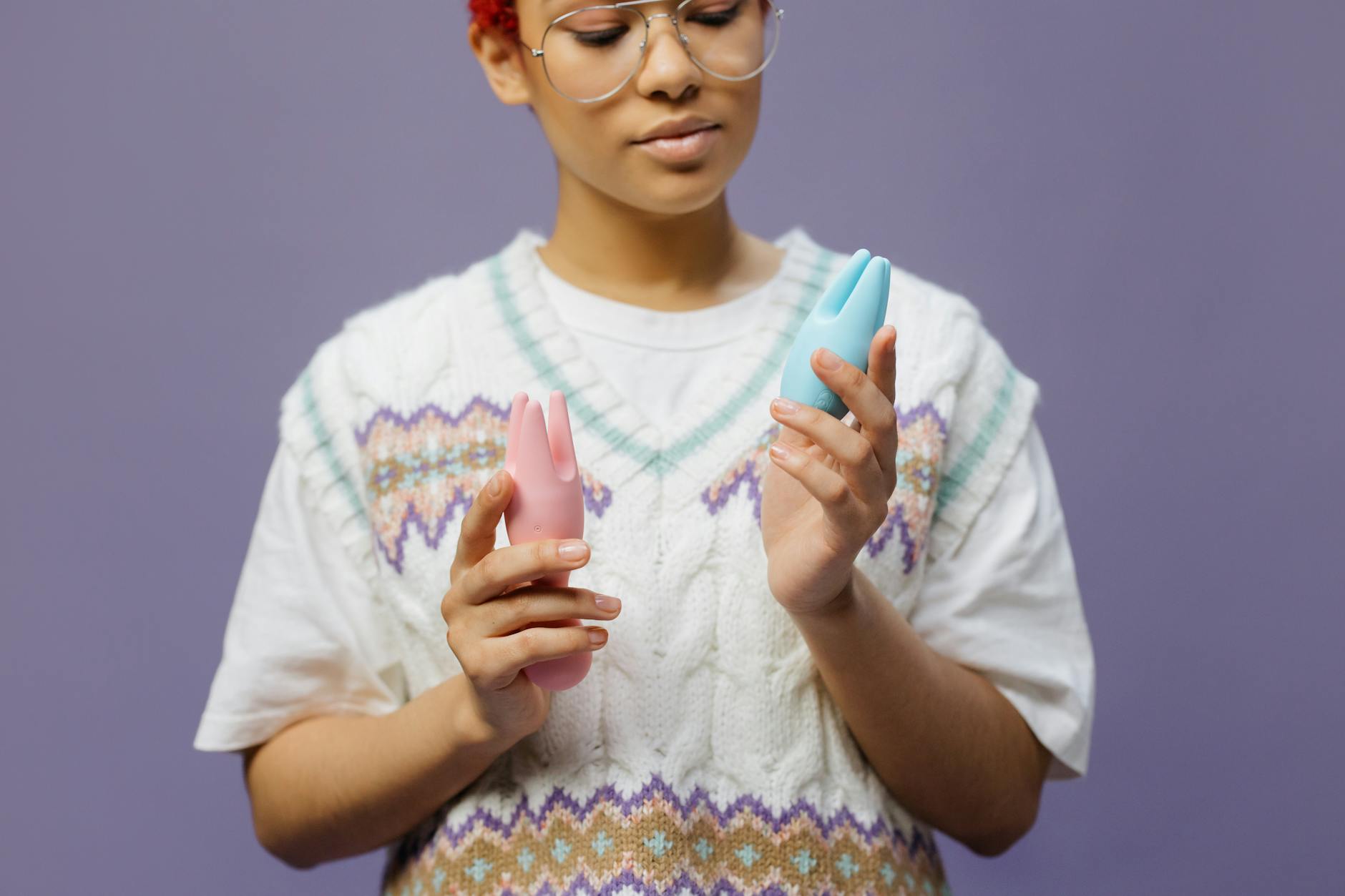
I've worked with hundreds of clients who describe the same pattern: the moment they try to relax into pleasure, their brain spins up with lists, worries, or physical tension. Sex becomes another task to perform rather than something to feel. A lemon clitoral vibrator like the Lem can help you work around this block by giving your nervous system something specific, intense, and non-negotiable to focus on.
How anxiety actually blocks arousal
When you're anxious, your sympathetic nervous system (the gas pedal) is pressed down. Pleasure requires your parasympathetic system (the brake) to be engaged. These two can't work at the same time. It's not a willpower problem. It's a competing biological agenda.
Anxiety tightens muscles, narrows focus, and triggers a scanning mode where part of your brain is always looking for threats. Even if the threat is imaginary (worry about being good enough, concern that you're taking too long, fear of being judged), your body responds as if it's real. This creates a catch-22: you want pleasure, but the very act of trying to relax triggers more anxiety about whether you can relax.
Most sex advice tells you to "breathe" or "be present." Fair advice. Not enough when your nervous system is genuinely dysregulated. You need something that interrupts the anxiety loop, not just suggestions to think your way out of it.
Why clitoral vibrators work differently for anxiety
A clitoral vibrator gives your nervous system a clear, consistent sensory signal that overrides the anxiety chatter. This is called sensory gating. When external stimulation is specific and rhythmic enough, it essentially turns down the volume on intrusive thoughts.
The Lem and other lemon clitoral vibrators work particularly well because the suction-based stimulation creates a sensation that's distinct from everyday touch. Your brain has to pay attention to something novel. This breaks the anxiety loop momentarily. The more you practice, the longer those moments stretch.
Unlike penetration or partner-based pleasure, a clitoral vibrator is entirely in your control. You choose the intensity, the rhythm, the duration. There's no performance expectation, no waiting for someone else's timing. This autonomy itself is calming to an anxious nervous system.
The specific pattern that works
Setting matters as much as the toy itself. Start in a space where you feel genuinely safe. Not your bedroom if that's loaded with relationship stress. Not anywhere you might be interrupted. Phone off. Door locked if needed.
Begin with the lowest intensity setting on your lemon vibrator. The goal is not orgasm. The goal is recalibrating your nervous system to recognize that pleasure and safety can coexist. Spend 5-10 minutes at the gentlest setting just noticing sensation. No pressure to escalate.
As your body begins to respond, you can increase intensity slowly. But here's the thing: if anxiety creeps back in, drop back down immediately. This teaches your nervous system that you're not forcing it. You're listening to it. Paradoxically, this makes arousal much more accessible.
Most of my anxious clients find that consistency matters more than intensity. Using a clitoral vibrator three times a week for a month rewires more than occasional intense sessions. Your nervous system learns through repetition that this is a safe, contained space for pleasure.
When to introduce a partner
If you're partnered, the solo practice comes first. This is not about excluding your partner. It's about establishing a genuine baseline of pleasure independent of anyone else's presence or pace. Once you've rebuilt access to sensation with a lemon vibrator on your own terms, bringing that experience into partnered sex becomes much easier.
Talk with your partner before you invite them in. Tell them what you're doing and why. This prevents the anxiety spiral of "Does my partner think I'm rejecting them?" or "Am I doing something wrong?" Clear communication kills half the background worry immediately.
When you do include a partner, establish that this is still your practice. They can be present, but they're not directing the show. You set the pace. You control the vibrator. Having this boundary actually makes most partners feel less pressure too.
The role of breathwork, but realistically
Breathing matters, but not in the way wellness culture usually frames it. You don't need to visualize or perform breathing. Just notice it. When you're using a clitoral vibrator and anxiety starts to creep back, often the first sign is that breathing has gotten shallow. Bring awareness to breath without trying to fix it. Usually, deepening happens naturally once the nervous system realizes there's no threat.
If you find yourself holding your breath, that's your cue to ease off intensity or pause and reset. Holding breath is a survival response. You don't want to push through it.
Building tolerance for arousal
This is the part most people don't talk about. If you've been anxious for a long time, arousal itself can trigger anxiety. Your body doesn't recognize the physical sensations of pleasure because it's been in lockdown. Getting used to arousal takes time.
You might notice that as pleasure builds, you suddenly want to stop. This is often not fear of orgasm. It's fear of intensity itself. Using a clitoral vibrator regularly helps your nervous system distinguish between "this is a threat" and "this is just sensation." The more you practice, the more your body learns the difference.
Some clients find that they need to be very gradual with this. Starting at intensity one and spending weeks there is completely valid. There's no timeline. Your nervous system will let you know when it's ready to build.
Medication, therapy, and toys all work together
If you're on antidepressants or anti-anxiety medication, a lemon vibrator isn't a replacement for that treatment. It's a tool that works alongside it. Medication stabilizes your nervous system. A vibrator helps you practice accessing pleasure within that stability.
If you're in therapy for anxiety, mention this practice to your therapist. They can help you track patterns and notice what's helping. Sometimes the practice itself becomes part of your anxiety work, not separate from it.
What to expect in the first month
Week one: You might not feel much. This is fine. You're introducing a new sensation to a nervous system that's been defensive. Noticing without expecting is the whole point.
Weeks two and three: Some clients report surprise pleasure. Others notice their nervous system relaxing during the experience even if pleasure is still distant. Both are wins.
Week four and beyond: Most people find that anxiety's grip loosens during these sessions. Not just during use. Throughout the day. Regular practice with a tool that's entirely in your control rebuilds a sense of agency that anxiety had stolen.
None of this is linear. Some weeks feel harder. That's not failure. That's your nervous system being honest about what it needs that day.
Anxiety blocks pleasure not because you're broken, but because your nervous system is doing its job too well. A lemon vibrator helps you prove to that system that sensation and safety can exist in the same moment.
When to get additional support
If anxiety is so severe that you can't use a clitoral vibrator at all, or if the practice triggers panic, a therapist specializing in anxiety or trauma is worth seeking out. Somatic therapy, cognitive behavioral therapy, and EMDR can all address the root of why your nervous system is stuck. A vibrator is a tool for moving forward. Sometimes you need help with the earlier stages.
If pleasure remains completely inaccessible after a month of consistent practice, that's also worth discussing with a healthcare provider. Anxiety is one piece. Sometimes there are other pieces too. Seeking professional support isn't a failure. It's smart resource-gathering.
FAQ: Anxiety, pleasure, and lemon clitoral vibrators
Can you use a lemon vibrator if you're on anti-anxiety medication?
Absolutely. Medication and pleasure-focused practice work together, not against each other. Your medication stabilizes your nervous system. That stability creates a better foundation for using a clitoral vibrator. Some anti-anxiety medications can reduce sensation, which is a conversation for your doctor, but that's separate from whether you can use a lemon vibrator. You can.
What if anxiety gets worse the moment you try to use a vibrator?
That's often a sign that the setting is too intense or you're trying too hard. Start with the lowest possible setting and spend time just holding the vibrator, noticing it without using it. Sometimes introversion helps more than activation. You might also benefit from pairing it with a grounding practice like holding a favorite object or being barefoot on the ground while you use it. If anxiety escalates significantly, pause and talk to a therapist before continuing.
Does a lemon sexual toy help with anxiety-related orgasm avoidance?
Yes, often. Some anxious people find that as they approach orgasm, anxiety spikes and they lose arousal or stop themselves. Using a clitoral vibrator regularly can help because the clear, consistent stimulation doesn't require the same level of "trust" that partnered sex does. You can practice letting sensation build at your own pace without the performance pressure. Over time, this practice sometimes transfers to partnered situations too.
How long before you notice a difference with lemon adult toys?
Some people notice within the first week. Others take a month or longer. Consistency matters way more than waiting for some magical moment. If you're using a clitoral vibrator three times a week, you're retraining your nervous system. That takes time. Most clients report meaningful shifts in anxiety levels within three to four weeks of consistent practice.
Can you use a lemon clitoral vibrator if you're also doing therapy for anxiety?
Yes. In fact, mentioning it to your therapist can be really helpful. You're essentially giving your nervous system two different tools at the same time: therapy to address the root of anxiety and a vibrator to practice accessing pleasure within that process. They're not competing. They're complementary.
What if you're too anxious to even buy a vibrator?
That's real and it's common. Shame, fear of being discovered, or general anxiety about the act of purchasing can be a barrier. Consider ordering online to a secure address, or asking a trusted friend to help. The Lemon Vibrator website offers discreet shipping. If you can't move past the purchasing barrier, that's actually worth exploring with a therapist too. Sometimes the barrier isn't really about the toy. It's about permission and self-worth.
The bottom line
Anxiety and pleasure aren't incompatible. Your nervous system just needs proof that sensation can happen safely. A lemon clitoral vibrator, used consistently and without pressure, gives your body exactly that proof. Not through force. Through repetition, autonomy, and practice. Your pleasure matters. Your nervous system will believe that eventually.