
The sensitivity shift nobody warns you about
Your body just did something extraordinary. It also feels completely different. Numbness, reduced sensation, or a general flatness during intimacy is one of the most common postpartum experiences nobody actually talks about until you're living it. And then suddenly you're Googling "is this normal" at 3 a.m. while your partner sleeps.
It is normal. It is also fixable.
The combination of tissue stretching, hormonal shifts, pelvic floor disruption, and sleep deprivation creates a perfect storm for dulled sensation. But here's what I tell clients: sensation rebuilds. And the right tool—like a lemon clitoral vibrator—can speed that process significantly without adding stress or pain to already-sensitive tissue.
What pregnancy and birth do to sensation
Let's get specific about the mechanics. During pregnancy, your pelvic floor muscles stretch progressively to make room. Whether you delivered vaginally or via cesarean, the surrounding tissue undergoes major redistribution. The pudendal nerve, which handles sensation in the vulva and clitoris, can get temporarily compressed or irritated. Add in the hormonal nosedive postpartum (estrogen tanks, which affects tissue thickness and blood flow) and you've got a recipe for reduced sensation.
Your pelvic floor is also working overtime trying to regain tone and support. When muscles are fatigued or overly tense, they don't transmit sensation as cleanly. It's like trying to feel subtle textures while wearing thick gloves.
The good news: this is not permanent damage. It's a temporary reordering of your body's wiring. Most people regain normal sensation within 3 to 6 months postpartum, faster if they actively engage in pelvic floor recovery.
Why clitoral vibrators help (and why lemon vibrators specifically work well)
Air-suction clitoral vibrators like a lemon vibrator operate differently than traditional vibrators. Instead of rapid vibration, they use gentle suction and pulsing patterns that stimulate the delicate nerve endings without requiring the direct mechanical pressure that can feel painful or overwhelming on postpartum tissue.
For someone rebuilding sensation after pregnancy, this matters. Your clitoris and surrounding vulva are healing. Direct percussion vibration can feel too intense, almost numbing. Suction-based stimulation wakes up sensation gradually and more safely.
A lemon clitoral vibrator also gives you precise control over intensity. You're not locked into one powerful setting. You can start at pattern 1 or 2 (barely perceptible) and work up over weeks as your body responds. That's therapeutic. It's also empowering because you're actively participating in your own recovery rather than waiting for sensation to randomly return.
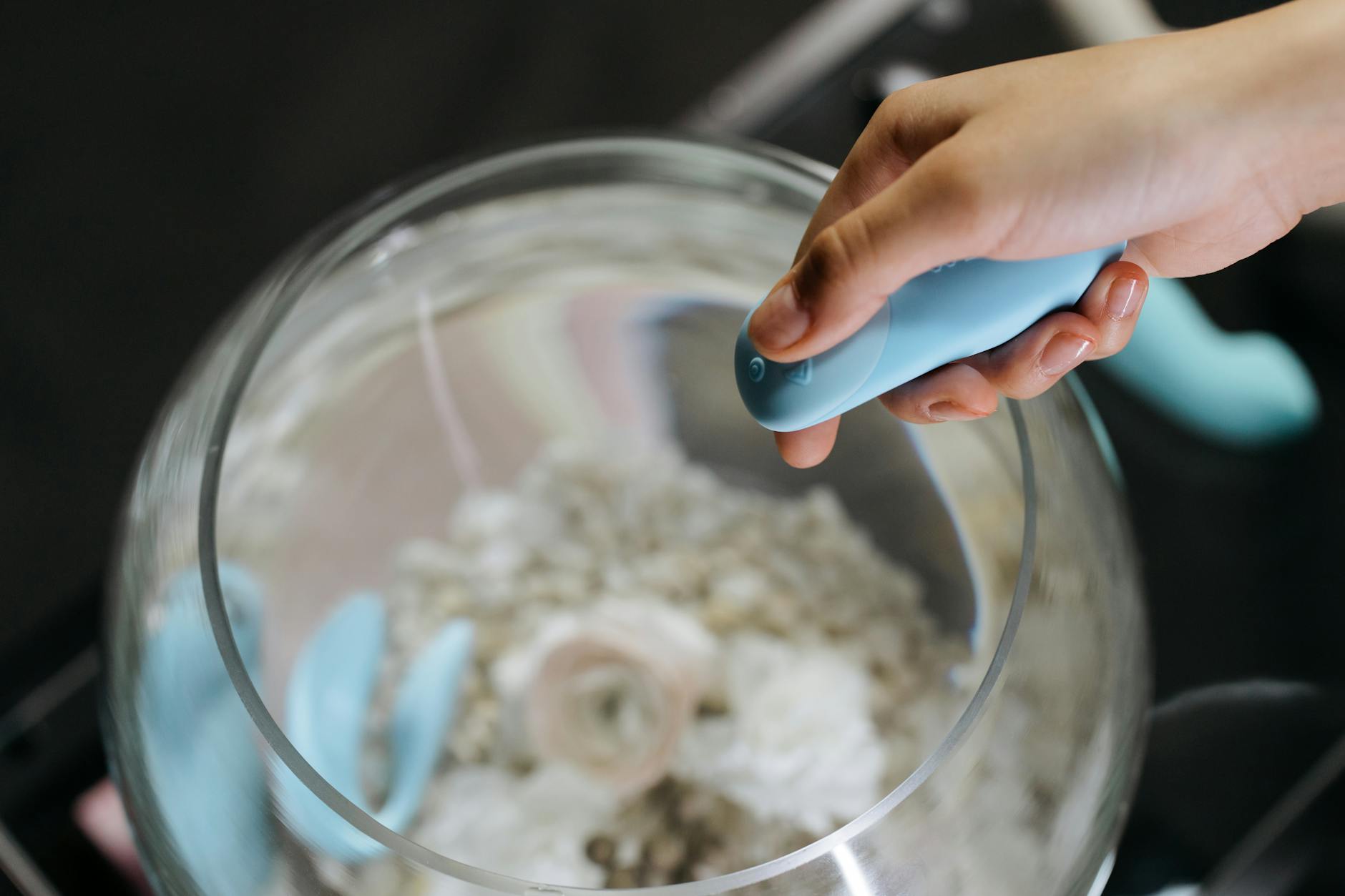
Photo by cottonbro studio on Pexels
Timeline: when to start and how to pace it
If you had a vaginal delivery with minimal tearing, you can typically begin gentle clitoral stimulation around 4 to 6 weeks postpartum, once your healthcare provider has cleared you for penetrative activity. If you have stitches, significant tearing, or had a cesarean, give yourself closer to 8 weeks minimum. Always ask your OB or midwife before you start anything.
Once you have the green light, the goal isn't orgasm yet. It's sensation mapping. Use your lemon vibrator on the lowest setting for 5 to 10 minutes, 2 to 3 times per week. Notice what you feel. Does sensation live only on the outer edges? Do certain patterns feel different? Are some days more responsive than others? You're gathering data about your body's current wiring.
Week 1-2 of recovery play: focus on the most sensitive spots (usually the external clitoral glans and the sides). Don't aim for intensity.
Week 3-4: gradually explore nearby tissue. Outer labia, the area just above the clitoris. Keep intensity low.
Week 5-6: if sensation is returning, you can slowly increase pattern intensity. Many people find that patterns 3 to 5 on a lemon sucker feel satisfying without overwhelming healing tissue.
Week 7+: most people report noticeable sensation return and can resume their normal pleasure baseline, often with increased stamina because pelvic floor support is rebuilding.
The pelvic floor component (you can't skip this)
Sensation doesn't rebuild in isolation. Your pelvic floor muscles need to regain tone and learn to relax fully. Both matter. Tension blocks sensation as much as weakness does.
Start with basic pelvic floor awareness: on your lowest setting, use your lemon vibrator while consciously relaxing your pelvic floor. Breathe into your belly. Many people hold tension in their pelvic floor without knowing it, especially postpartum when they're already anxious about their changing body. You need to teach yourself to let that tension go.
Once you've practiced relaxation, add light Kegels (gentle contractions, hold 3 seconds, release fully). Do these 5 to 10 times during your sensitivity practice sessions. The combination of stimulation plus intentional pelvic floor work retrains the nerve pathways faster than either alone.
If you have a partner, let them know what you're doing and why. This isn't about performance. It's about recovery. Many partners feel relieved to understand the timeline and know they can help by being patient and supporting your pelvic floor work.
Lubrication strategy postpartum
Postpartum hormones are still suppressed, especially if you're breastfeeding. Natural lubrication might be minimal. Use a water-based lubricant generously—not because your body is broken, but because it eliminates friction that would otherwise feel uncomfortable and interrupt your concentration.
Apply lube to your external vulva and your lemon vibrator. Reapply halfway through if needed. This small detail transforms the experience from "managing discomfort" to "actually feeling pleasure."
Avoid silicone lubes during this phase. They're heavier and can cling to healing tissue in ways that feel more irritating than helpful.
What to expect emotionally
Here's what nobody tells you: sensation recovery can come with grief. You're reclaiming pleasure, yes. But you're also adjusting to a body that feels unfamiliar. Some people cry during early sensitivity sessions. That's not a sign something is wrong. That's your nervous system releasing tension it's been holding since labor.
Give yourself permission for the experience to feel strange. Your clitoris has been through something. Your pelvic floor has been through something. Your brain has been through something. Sensitivity rebuilds when you approach it with patience, not performance pressure.
If you have a partner, this emotional piece matters to them too. Many partners experience anxiety about resuming intimacy postpartum. Shared understanding that you're both on a healing timeline removes shame and creates space for genuine reconnection.
When to seek additional support
If after 8 to 12 weeks you're not noticing any sensation return, or if stimulation feels painful rather than numb, mention it to your healthcare provider. Occasionally, postpartum pelvic pain or nerve issues require specialized support from a pelvic floor physical therapist. That's not a failure. That's expertise.
Similarly, if you're experiencing postpartum depression or anxiety, sensation changes can be compounded by neurochemistry shifts that a lemon vibrator alone won't address. Therapy plus physical recovery often works better than one alone.
FAQ
How long does postpartum numbness typically last?
Most people report noticeable sensation return within 3 to 6 months postpartum. Some experience complete recovery within 2 to 3 months. A few take up to a year, particularly if pelvic floor tone is slow to rebuild. Starting gentle sensitivity work early—around 6 weeks with provider clearance—typically accelerates this timeline.
Can I use a regular vibrator or do I need a lemon clitoral vibrator specifically?
A lemon vibrator is ideal because suction-based stimulation is gentler on healing tissue than traditional vibration. If you already own a clitoral vibrator, you can use it on the lowest setting, but you'll have less control over intensity and the sensation might feel more overwhelming. A lemon sucker's graduated patterns make it easier to calibrate your recovery pace.
Is it safe to use a vibrator if I had a cesarean delivery?
Yes, once your OB clears you for sexual activity (usually 6 to 8 weeks). Cesarean birth doesn't involve vaginal or perineal trauma, so your vulva is healing from hormonal changes and pelvic floor disruption, not tissue damage. You can actually resume sensitivity work slightly faster than after vaginal delivery, though pacing is still important.
What if my partner wants to help with sensitivity recovery?
Communication first. Explain that you're rebuilding sensation gradually and that your lemon vibrator is part of that process. If your partner wants to participate, they can be present while you explore on your own, or you can use the vibrator together as foreplay before attempting partnered activity. The key is keeping pressure off performance. You're not trying to orgasm right now. You're mapping sensation.
Can I resume normal partnered sex while using a lemon vibrator for recovery?
Yes, but the two serve different purposes. Your vibrator practice is about rebuilding your own sensation and pelvic floor tone in a low-pressure environment. Partnered activity might happen alongside it, but don't replace your solo work. Many people find the combination (solo sensitivity work plus partnered intimacy) speeds recovery and improves overall satisfaction.
Should I expect my preferences to change after postpartum recovery?
Often, yes. Your body has gone through profound change. Your pleasure response might shift intensity preferences, favorite patterns, or even what kind of touch feels good. That's not a problem. That's information. Use your lemon vibrator to explore what your postpartum body actually wants, not what you think it should want.
Rebuilding is not a burden—it's an opportunity
Postpartum sensation changes can feel like a loss. In some ways they are. Your body was different before pregnancy. But rebuilding sensation often creates space for deeper presence during intimacy than people experienced before. You're not trying to get back to where you were. You're moving forward into a new baseline that often includes more awareness, more intention, and ultimately more pleasure.
Your clitoris, your pelvic floor, and your nervous system all have memory. They remember how to feel. You're just helping them reconnect. A lemon clitoral vibrator is a tool that makes that reconnection faster, safer, and frankly more enjoyable than waiting for sensation to randomly return. Give yourself permission to use it without guilt, and give yourself grace for the timeline. You've earned both.