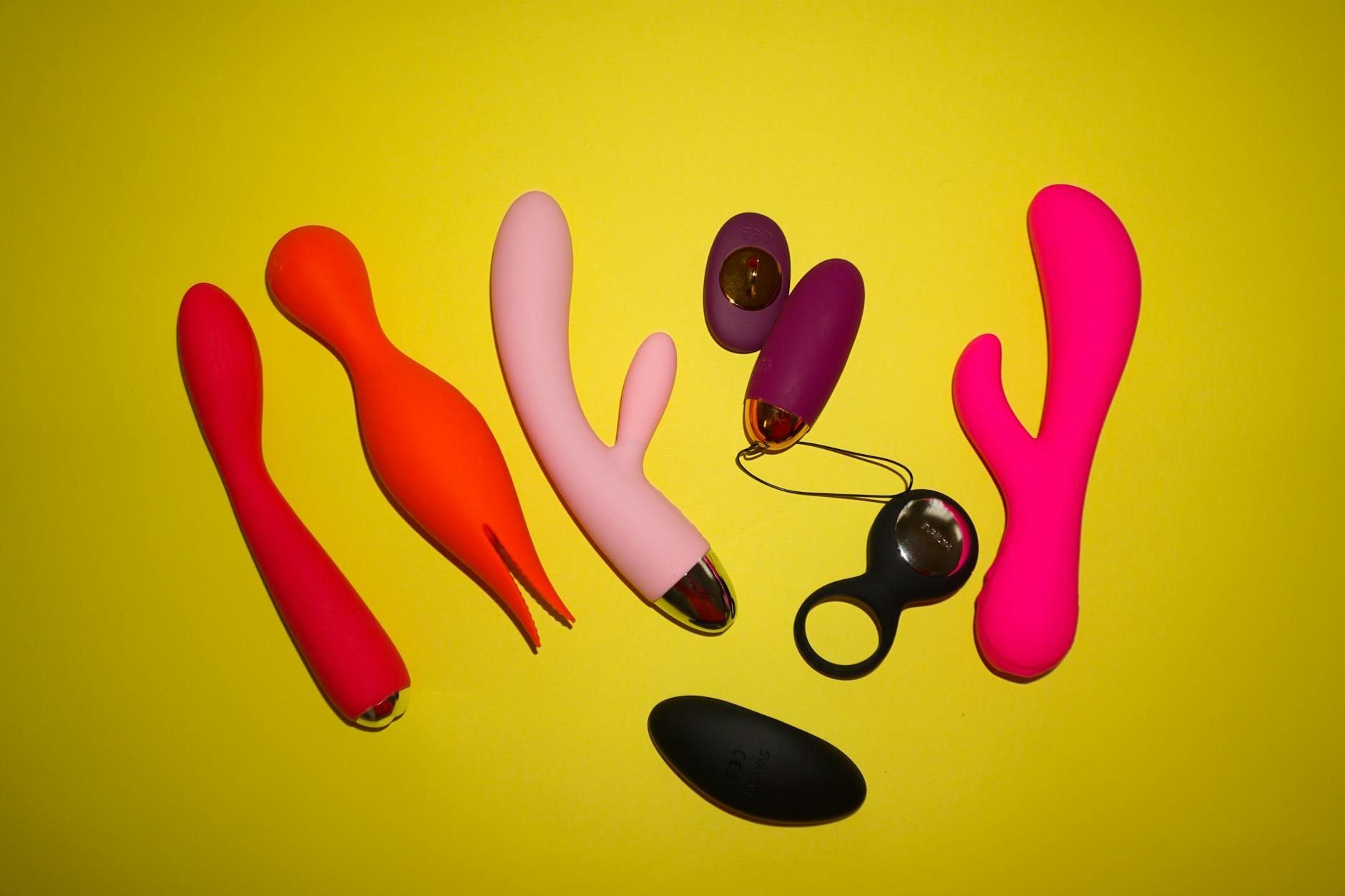
Let's talk about numbness
You've been using the same traditional vibrator for months, maybe longer. It worked great at first. Now you need it on a higher setting to feel anything at all. Or worse, you don't feel much even then. You're not broken. Your nerve endings have just adapted to that specific stimulation pattern, and they've gotten less responsive over time.
This is called desensitization, and it's incredibly common. The good news? Switching to a completely different type of stimulation, like an air-pulse lemon clitoral vibrator, can reset that sensitivity faster than you'd expect.
Why your traditional vibrator stops working
When you use a conventional vibrator repeatedly, you're sending the same rhythmic signal to the same nerve endings in the same way, day after day. Your nervous system is smart. It learns. It adjusts. Eventually, that specific sensation stops feeling novel or intense because your body has basically said: "Okay, I know what this is. I don't need to respond with maximum intensity anymore."
It's the same mechanism that makes a perfume you loved smell like nothing after you wear it for a week. Your olfactory system adapts. Your sensory system does this all the time.
With traditional buzz vibrators, the stimulation is direct mechanical vibration against tissue. It's straightforward. It's predictable. And after enough time, your nerves stop firing with the same enthusiasm.
How air-pulse technology works differently
A lemon sucker vibrator uses air-pulse suction technology, which creates a fundamentally different sensation. Instead of vibration, you're experiencing waves of gentle suction that stimulate the tissue in a broader, less repetitive pattern. The sensation isn't a steady buzz. It's a pulsing wave.
Your nerve endings perceive this as novel. It's not the same signal they've learned to ignore. It's new information, and your nervous system responds accordingly. This is why many people report that switching to air-pulse lemon vibrators after using traditional vibrators feels shockingly intense, even on lower settings.
The lem vibrator, for example, works through pulsing air patterns rather than direct friction. This means you're not building the same kind of desensitization that happens with continuous vibration. The sensation stays fresh longer.
The recovery timeline
If you've been using a traditional vibrator heavily, expect a sensitivity recovery period of about two to three weeks after you stop. Your nerve endings aren't permanently numb. They're just overstimulated. Rest and switching to a different stimulation type accelerates recovery significantly.
Here's what typically happens:
Days 1-3. You might feel less sensation than you're used to. This isn't a step backward. It's actually your nervous system beginning to reset. You're depriving it of the stimulus it had adapted to.
Days 4-10. A lemon clitoral vibrator on a gentle setting often feels notably more intense than your old toy ever did. This is the reset working. Your nerve endings are waking up.
Weeks 2-3. Sensitivity stabilizes at a higher baseline. You can enjoy lower intensity settings and feel satisfied. You've genuinely restored sensation.
Many people skip the rest phase entirely and go straight from a traditional vibrator to a lemon vibrator, and they still experience sensitivity gains. The novelty of the air-pulse sensation alone is enough to engage your nervous system differently.
Why the switch feels so different
Beyond the physiological reset, there are psychological factors. When you've been numb or less responsive for months, trying something completely new creates anticipation. Your brain isn't expecting this sensation. That attention and curiosity itself amplifies pleasure.
Also, if you've been cranking a traditional vibrator to higher and higher settings, you might have trained your body to expect intensity. A lemon sucker vibrator often delivers more sensation at lower intensities, which can feel surprising and genuinely pleasurable in a way that high-setting buzzing doesn't anymore.
How to make the transition smoothly
If you're thinking about switching from a traditional vibrator to air-pulse lemon sexual toys, here's how to do it without losing momentum:
Start with a one-week break. Not required, but useful. Even just five to seven days away from your traditional toy gives your nerve endings a head start on recovery. Then introduce the lemon vibrator.
Begin on the lowest setting. Seriously. If you're used to cranking other vibrators, this feels counterintuitive. But the air-pulse sensation is so different that you'll feel plenty on setting one or two. You can always turn it up.
Give it three to five sessions. Your body needs time to recalibrate and recognize this new sensation as pleasurable. Don't judge the toy based on one use.
Alternate for a few weeks. You don't need to abandon your old toy forever. But if you're struggling with sensitivity, rotate between air-pulse and traditional vibration. This prevents your nervous system from adapting to either one exclusively.
Use lubrication. Air-pulse toys work best with a bit of water-based lubricant. It helps the suction seal properly and can make the sensation feel even more refined.
What happens if you keep using traditional vibrators exclusively
The adaptation keeps progressing. You'll chase higher and higher settings, experience less satisfaction, and eventually feel frustrated with the toy altogether. Many people think this means the toy is broken or that they've "broken" themselves. Neither is true.
What actually happens is that your nervous system has learned the stimulus so thoroughly that it stops responding with intensity. The solution isn't to keep pushing intensity. It's to change the type of stimulation entirely.
Switching to lemon vibrators, which use air-pulse suction instead of vibration, breaks that adaptation cycle. You're literally speaking a different sensory language to your nerve endings. They respond accordingly.
Why sensation doesn't stay restored unless you vary your toys
Here's the thing about nervous system adaptation: it will happen again. If you get a lemon clitoral vibrator and use it exclusively every single day for six months, the same pattern will emerge eventually. Your nerve endings will adapt. Sensitivity will creep down.
The antidote is variation. Rotating between different types of toys (air-pulse one week, traditional the next) or using the same toy intermittently rather than daily keeps your nervous system engaged. You're preventing adaptation by not letting one sensation become routine.
Most people find that switching toys seasonally or alternating weekly works perfectly. You get to enjoy the novelty and intensity of each toy because you're not building tolerance.
The mental piece matters too
Sensitivity is partly physical and partly psychological. If you've spent weeks or months feeling numb, your brain might have started protecting itself by lowering expectation. "This won't work either," your brain says. "Don't get your hopes up."
Switching to something genuinely different, like a lemon sucker from Hello Nancy, can interrupt that protective pattern. The physical novelty of air-pulse sensation combined with the permission to expect pleasure again creates real change. Your body and mind are working together this time.
When to see a professional
If you're experiencing complete numbness even after switching toys and taking a break, that's worth mentioning to a healthcare provider. It could indicate a medication side effect, a hormonal shift, or something neurological that deserves attention.
Most sensitivity loss from vibrator use responds beautifully to changing stimulation types. But complete absence of sensation is different and worth getting checked out.
The recovery is real
You haven't broken yourself. Your sensitivity hasn't gone anywhere permanently. It's just been trained to expect and adapt to a specific sensation. Switch to a different stimulation type, like air-pulse lemon vibrators, and watch that sensation come roaring back. Your nerve endings will thank you.
Frequently asked questions
How long does it take to feel sensation again after vibrator numbness?
Most people notice meaningful improvement within two weeks of switching to a different toy type or taking a break from their traditional vibrator. Full sensitivity recovery typically happens within three to four weeks. Some people feel dramatic shifts after just one session with a lemon air-pulse vibrator because the sensation is so different from what their body had adapted to.
Can using a lemon vibrator prevent desensitization in the first place?
Yes, partly. Because air-pulse lemon clitoral vibrators stimulate tissue differently than traditional vibration, they tend to produce slower desensitization curves. That said, any single stimulation pattern, used daily, will eventually trigger adaptation. The best strategy is rotating between toy types or using any toy intermittently rather than daily.
Is it normal to need higher settings immediately after switching toys?
Some people do. If you've been using a traditional vibrator on high for months, your nervous system might initially expect that intensity level. But most people find that once they adjust to the air-pulse sensation, lower settings feel plenty intense. Give it a few sessions before turning up the intensity dial.
Can antidepressants or birth control cause the numbness I'm experiencing?
They can contribute to it. Some medications do affect sensation and arousal. That's different from desensitization from repeated vibrator use, though they can happen simultaneously. If you've recently started a medication and noticed sensation changes, mention both to your doctor. And yes, switching to a lemon vibrator can still help if numbness is a factor.
What if I switch to a lemon vibrator and still don't feel much?
Give it at least three to five uses on the lowest settings before deciding. Your body is expecting one sensation and receiving another. That recalibration takes a few tries. If after a week you're genuinely feeling nothing different, reach out to Hello Nancy's support team. It could be a device issue, or there might be other factors (medication, stress, hormonal) worth exploring with a healthcare provider.
Can I use the same lemon vibrator forever without developing numbness?
You can use it for longer without desensitization than a traditional vibrator, thanks to how air-pulse stimulation works. But yes, eventually your nervous system will adapt if it's the only toy you ever use. The solution isn't changing toys obsessively. It's using intermittently and varying your routine. Three times a week instead of daily. Two weeks on, one week off. Small changes prevent adaptation from building up.