Let's talk about what actually happens to your body after divorce
Divorce rewires your nervous system. For months, maybe years, your body has been in a low-grade state of alert. There were conversations to navigate, decisions to process, a life to untangle. Your cortisol stayed elevated. Your pelvic floor probably tensed. Even if intellectually you knew the split was necessary, your nervous system was still processing a rupture.
Now that it's over, something weird happens. The absence of stress doesn't automatically feel like peace. It often feels like emptiness. And when it comes to pleasure—sexual pleasure especially—that emptiness shows up as numbness or confusion or sometimes guilt about wanting to feel good again.
This is not a personal failing. It's a physiological reality that most people don't talk about, which means most people feel broken when it happens.
How trauma and transition reshape desire
Your body doesn't separate "emotional trauma" from "physical sensation." When a relationship ends, even an ending that was right, your brain is processing loss alongside relief. That creates a mixed neurological state. You might feel horny and also want to cry. You might want touch and also need solitude. You might fantasize and then feel guilty immediately after.
This ambivalence is normal. It's not a sign you're not ready to move on. It's evidence that you're actually processing the ending instead of bypassing it.
What makes this harder is that for years, maybe decades, your sexual experience was entangled with another person. Your arousal patterns adapted to their presence, their timing, their body. Your fantasies, your pace, your comfort with vulnerability—all of it was shaped by partnership. When that partnership ends, you're not just grieving the person. You're also grieving the sexual self you were inside that relationship.
That version of you doesn't exist anymore. So you have to meet a new one.
Why solo pleasure is actually where healing begins
I say this to clients repeatedly: having an orgasm alone after divorce is not consolation sex. It's archaeology. You're excavating who you are when nobody else is in the room.
For some people, that's terrifying. For others, it's liberation. Usually it's both at the same time.
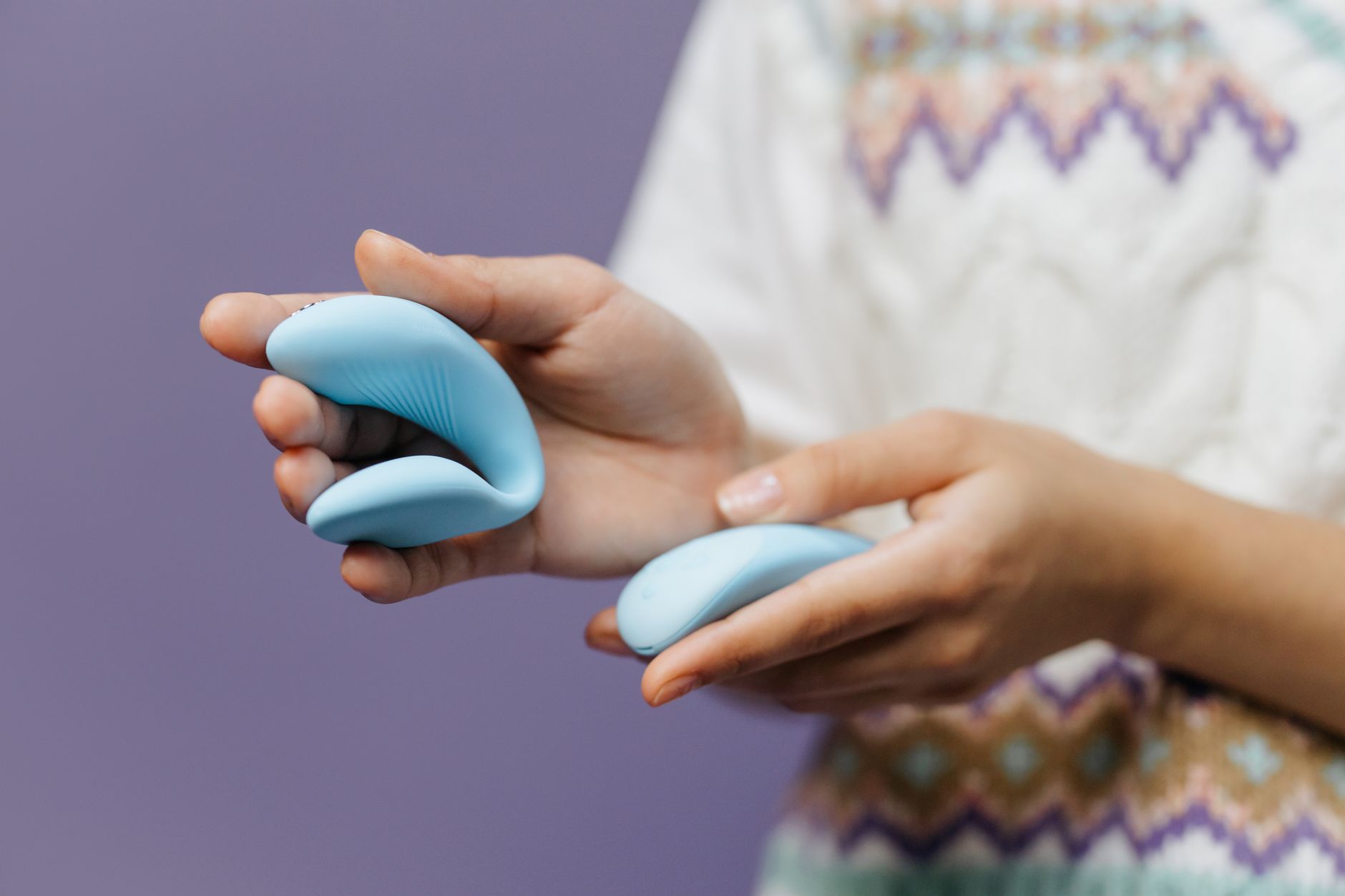
Lemon clitoral vibrators matter in this process because they remove the performance layer. With a partner, there's often a story in your head about whether you're taking too long, whether your body is responding correctly, whether you're enough. A clitoral vibrator—especially something like the Lem, which uses air-suction technology—removes all that static.
It's just sensation. It's just you and what feels good.
That simplicity is radical after divorce. Your nervous system needs to remember that pleasure exists independent of anyone else's validation. Your clitoris doesn't care about your marriage ending. It still has 8,000 nerve endings. It still wants stimulation. It still knows how to build and release.
Reconnecting with that physical truth is the scaffolding for everything else.
The nervous system needs to feel safe first
Here's something most vibrator guides don't mention: if your nervous system is still in shock from the split, intensity might actually push you away from pleasure instead of toward it.
This is why I usually recommend starting with lower settings. Not because you're broken or oversensitive. But because your parasympathetic nervous system—the one responsible for arousal and relaxation—needs permission to engage without threat. If you jump straight to high intensity, you might trigger the opposite: a protective contraction from your pelvic floor, which shuts down rather than opens.
Give yourself the first few times at pattern 1 or 2 on a lemon vibrator. Spend time noticing what your body feels. Breathing matters. Touching your own skin matters. You're not trying to come. You're trying to feel like yourself again.
Some people take weeks before they're ready for higher intensity. Some take a few sessions. The timeline is yours. The divorce timeline taught you to live on someone else's schedule. Pleasure is where you get to stop doing that.
What changes emotionally when you're solo again
After a few weeks of solo exploration with a vibrator, something shifts. Your brain stops automatically reaching for shame. The guilt that showed up after that first orgasm—the "I shouldn't be enjoying this so soon" voice—quiets down.
Why? Because you're giving your nervous system evidence that pleasure isn't betrayal. Pleasure isn't moving too fast. Pleasure is just what a healthy body does when it's safe and stimulated.
Some of my clients tell me that rekindling solo pleasure with lemon vibrators also helped them set boundaries in future relationships. Because they remembered what it felt like to know their own body. They had a reference point. They couldn't be gaslit about what they liked or whether they were orgasming correctly, because they'd spent weeks alone confirming it with their own hands.
That matters. A lot of post-divorce relationships fail because people jump back in without rebuilding that baseline self-knowledge. They're operating from habit instead of desire.
The timeline pressure nobody talks about
You'll hear a lot of "the rule of thumb is one year per five years of marriage" or whatever timeline people want to impose. Ignore that.
Some people are ready to date again after four months. Some take three years. Both are fine. But solo pleasure—that's something you can start whenever you want, because it's not about readiness for another person. It's about remembering who you are.
If you're not interested in dating yet, a lemon vibrator is how you stay connected to your sexuality without the complexity of another person. If you're dating but not ready to bring a partner into your pleasure yet, it's private permission to keep exploring. If you do want to eventually share vibrators with someone new, that solo time first gives you so much more information about what actually turns you on.
There's no pressure schedule. There's just: what does your body want right now?
Practical setup for this phase of your life
A few things that help clients move through this phase.
First, remove the performance pressure from your space. This means no clock-watching. No expectation of outcome. If you want to spend 20 minutes just holding a lemon vibrator and breathing, that's the goal, not the warm-up. You're not failing if you don't come. You're succeeding if you feel something.
Second, use lube. I know the instructions say you don't need it. You also don't need a lot of things, but they feel better with intention. A little water-based lube makes sensation richer and takes pressure off your tissues.
Third, let yourself fantasize about whoever or whatever. You don't need permission to think about your ex. You don't need permission to think about a stranger. You don't need permission to think about nobody at all, just sensation. Your brain can do whatever it wants during this solo time. There's nobody to disappoint but yourself, and you're working on not disappointing yourself.
When to bring another person into the picture
You don't have to. Solo pleasure with lemon vibrators can be your whole sexual life and that's a complete, valid choice.
But if you do want to eventually date or partner up, using a vibrator solo first gives you information. You know what settings feel good. You know where you need more or less stimulation. You can tell a new partner, "I like this" without having to discover it in real time under pressure.
You're also less likely to fall into the same patterns because you have a different reference point. You remember what it felt like to prioritize your own sensation. A partner who tries to push that aside won't feel comfortable anymore.
That's not punitive. That's just you, evolved.
FAQ: Starting Solo Again After Divorce
How long should I wait after divorce to use a vibrator?
There's no rule. If your instinct is to explore now, that's enough permission. Your body isn't broken by divorce. Your libido needs time to adjust, sure, but that adjustment often happens faster when you're giving your nervous system evidence that pleasure is still available. Start whenever feels right.
Will using a vibrator alone make it harder to be intimate with someone new?
The opposite is usually true. When you know what you like, you're clearer with partners. You're less likely to perform. And you're less likely to settle for mediocre sex because you have a baseline of what actually feels good to you.
Is it normal to feel guilty about pleasure after divorce?
Completely normal. Guilt shows up because pleasure was entangled with partnership for so long that your brain might interpret solo pleasure as disloyalty to the past or moving too fast. It's not. It's reclamation. That guilt fades with time and repetition.
What if I'm not interested in pleasure right now?
Then don't force it. Libido often drops after major transitions because your nervous system is conserving energy. Honor that. Solo vibrator use isn't urgent. When or if your body wants to explore again, you'll know.
Can lemon vibrators help if I have trauma from the relationship?
They can be part of healing, but they're not therapy. If the relationship involved sexual coercion or trauma, working with a trauma-informed therapist alongside your own exploration is important. A vibrator is a tool, not a fix. A good therapist is the fix.
How do I know if I'm ready to date again?
You don't have a timeline. You're ready when you can be in a room with someone new and not immediately compare them to your ex. When you stop apologizing for your needs. When pleasure feels possible again without guilt. For some people, rebuilding that foundation with a vibrator is part of getting there.
What comes after this phase
Rediscovering your body after divorce isn't a detour from "real" sexuality with a partner. It is the main road. The months or years you spend learning what your clitoris wants, what rhythm works for you, what fantasies light you up—that's not killing time. That's building the self-knowledge that makes future connections richer, not more complicated.
Your pleasure matters. Not eventually. Not when you've dated enough people or healed enough or proved you're "over it." Now. Today. By yourself. With your hands and maybe a Lemon Vibrator and the radical permission to feel good.
If you want to explore more about rebuilding intimacy with a partner down the road, resources like our guide on how to use a lemon vibrator with a new partner for the first time or how to use a lemon vibrator when reconnecting with your partner after emotional distance might help. For now, the goal is simple: you, solo, and what feels good.