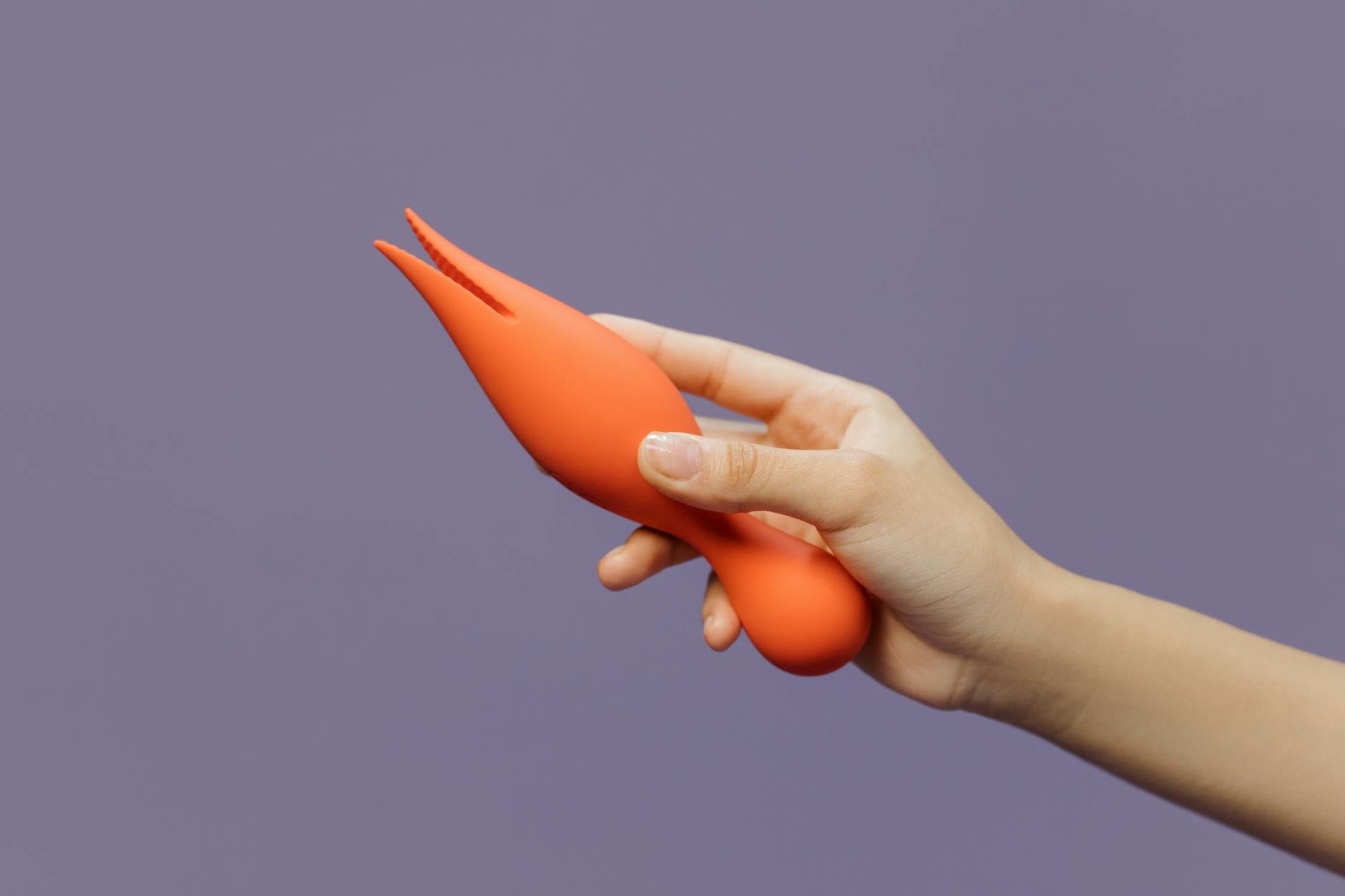
The Thing Nobody Tells You About Lemon Vibrators
Let's be real. You've probably heard that lemon vibrators are "for everyone." The marketing is there, the product exists, but what actually happens when you buy one without knowing your own body's preferences? You end up with a device that feels wrong, or worse, leaves you frustrated and thinking you're broken.
You're not. The device just wasn't designed for your specific skin, sensitivity level, or how your body responds to stimulation.
Why Material Matters More Than You Think
Here's the thing about lemon sexual toys: the material shapes the entire experience. Most quality lemon clitoral vibrators use medical-grade silicone, which is smooth, non-porous, and easy to clean. But "silicone" covers a range of textures and firmness levels.
Some lemon vibrators have a firmer silicone shell that transmits vibrations directly to the tissue. Others use a softer, more flexible silicone that diffuses the sensation more gently. If you have vulvular dermatitis, eczema, or general irritation, a firmer device can feel too intense right away. A softer lemon sucker lets you control intensity more gradually.
Then there's surface finish. Glossy silicone feels slicker and cooler to the touch. Matte finishes grip slightly more and warm up faster against skin. Neither is better, but if you're sensitive to temperature changes or prefer less friction, glossy wins.
Understanding Your Sensitivity Baseline
Sensitivity isn't a single thing. It's at least four overlapping dimensions.
Pressure sensitivity. How much direct contact can your clitoris handle before it becomes uncomfortable? Some people want pinpoint pressure. Others need diffused, broader contact. A device like the Lem uses air-suction technology, which creates a gentle seal around the clitoris rather than direct vibration. This suits people who find traditional vibrators too intense or triggering.
Frequency sensitivity. Vibration speed matters wildly. A device running at 30 Hz might feel like a pleasant buzz. At 100 Hz, the same person might feel overstimulated or numb within seconds. Most quality lemon vibrators have multiple speed settings for exactly this reason.
Texture sensitivity. Some people with psoriasis, lichen sclerosis, or sensitive vulval skin need completely smooth contact. Textured or rippled surfaces can aggravate inflammation. If that's you, stick to glassmooth silicone.
Allergic sensitivity. True latex allergies are rare, but allergies to dyes, fragrances, or phthalates in cheaper toys are not. Buy from brands that use medical-grade silicone certified latex-free, and always check the materials list.
Body Type and Clitoral Anatomy
Here's what anatomy textbooks don't tell you. The clitoris varies. A lot. Some people have a more prominent clitoral glans that sits fully exposed. Others have more tissue coverage from the clitoral hood, which means the sensitive glans sits deeper.
If your clitoris is more covered by tissue, a broad-contact device like an air-suction vibrator works better than a pinpoint wand. If your clitoris is more exposed, a focused vibrator or wand gives you the precision you need.
Then there's vulval shape and labia length. If you have longer labia minora, some external vibrators might feel awkwardly angled. The contact point matters. Test-run devices that let you adjust the angle or choose between broad and narrow contact zones.
Income, too, shows up in pleasure inequity. Budget lemon vibrators are cheaper, but the motor strength is inconsistent, materials are sometimes dubious, and the learning curve is steep. If you're investing time and money into pleasure, buy once and buy well. A quality lemon clitoral vibrator lasts years and actually works.
Matching Sensitivity to Device Type
For extremely sensitive skin or vulvitis. Go for air-suction devices. They don't rely on vibration friction against tissue. The sealed suction creates a gentle, diffused pressure. You get stimulation without direct abrasion. Most clinical recommendations for genitourinary syndrome of menopause or chronic vulvovaginal pain point toward suction devices first.
For moderate sensitivity. A mid-range vibrator with adjustable speeds and a broad contact head works well. You want something that starts gentle but has room to build. Look for devices with at least 5-8 speed settings, not just three levels.
For lower sensitivity or numb response. You might gravitate toward higher-frequency vibrators or dual-stimulation devices. Wand vibrators transmit sensation across a larger area, which can feel less muted than pinpoint contact.
For people with pelvic floor tension or vaginismus. Slower, gentler vibrators work better than intense ones. The goal is relaxation, not overstimulation. Many people in this camp find that external-only devices let them control depth and pressure in a way that feels safe.

Photo by FounderTips on Pexels
The Lubrication Piece That Changes Everything
Lubricant is not optional. It's foundational.
Water-based lube is safest with silicone toys and suits most skin types. If you have latex sensitivities, water-based is already latex-free by definition. Apply generously. Friction is the enemy of sensitive skin, and lube is your protection.
If regular lube irritates you, try fragrance-free, dye-free formulas. Some people respond badly to glycerin. Others find hypoallergenic brands work better. Experiment to find your match.
One note: if you're using a suction-based lemon vibrator, the seal needs moisture to work properly. Lube helps create that seal. If your natural lubrication is low due to hormonal changes, medications, or anxiety, external lube isn't a failure. It's a tool.
Testing Before You Commit
Honestly, the best way to find your match is methodical testing.
Start with a lower-intensity device or a model with very adjustable settings. Many people feel pressure to "graduate" to stronger devices, as if gentle pleasure is a stepping stone rather than a valid preference. It's not. If a lower setting feels right, that's your baseline.
Give yourself at least 5-10 sessions with a new device before deciding it's not working. Bodies adapt to new sensations. What felt weird on try one might feel revelatory by session three.
If a device consistently causes pain, redness, or irritation, stop using it and switch. That's not a failure of your body. It's an incompatibility. You deserve a device that works with you, not against you.
When to Seek Professional Input
If you have a diagnosed vulvovaginal condition like lichen sclerosis, lichen planus, or recurrent vulvitis, run any new device by your gynecologist first. They know your specific tissue and can advise on material safety.
If you have pelvic pain, endometriosis, or a history of sexual trauma, a pelvic floor physical therapist is worth consulting. They can assess your pelvic floor tension and recommend devices that align with your healing plan.
You're not being overprotective by asking questions. You're being wise.
Frequently Asked Questions
Which lemon vibrator is best for very sensitive vulval skin?
Air-suction devices like the Lem are generally gentler on sensitive skin because they avoid direct friction vibration. Start with the lowest suction setting and build from there. If you have active vulvitis or open irritation, consult your doctor before using any device.
Can I use a regular lemon clitoral vibrator if I'm prone to yeast infections?
Yes, with precautions. Always clean your device thoroughly before and after use with warm water and mild soap or a toy cleaner. Never share toys without cleaning between partners. If you're mid-infection, avoid internal or partnered use until it clears. External use with a barrier method (like a condom over the device) is lower-risk.
How do I know if my clitoris is more sensitive to pressure or vibration?
Start with manual stimulation. Do you prefer a light touch with fast movement, or more firm pressure with slower strokes? Light touch suggests vibration sensitivity. Firm pressure suggests you'll respond better to suction or lower-frequency devices. Your preference in fingering often mirrors your preference in toys.
Is there a lemon vibrator for people with very little natural lubrication?
Air-suction devices (like the Lem) work well because they're less dependent on internal lubrication. They create stimulation through suction rather than friction. You'll still want external lube to create the seal and add comfort, but the device compensates for lower natural lubrication better than traditional vibrators do.
What's the difference between a lemon vibrator and other clitoral vibrators?
Lemon vibrators are often known for their distinctive shape and focused stimulation approach. Some use suction technology rather than traditional vibration. The key difference is usually in the material quality, motor consistency, and whether the design prioritizes broad contact or pinpoint focus. How to Choose Lemon Vibrators breaks down these differences in more detail.
Can I use a lemon sexual toy if I have a latex allergy?
Yes. Reputable lemon adult toys use medical-grade silicone, which is latex-free. Always verify the materials list on the product page and contact the maker if you're unsure. Latex allergies are serious, so don't assume anything is safe without confirmation.
The Bottom Line
The right lemon vibrator isn't about brand or price point. It's about match. Your skin, your anatomy, your sensitivity baseline, your lubrication profile, and your pressure preference all matter. Buy based on those factors, not on marketing claims.
Start with adjustable settings. Use generous lube. Give yourself time to adapt. And if something doesn't feel right, stop and reassess. Your body is not broken. The device just isn't the right fit. Keep exploring until you find what works. You deserve pleasure that feels effortless and safe.